
…whispers of a Shell-BP mega-merger have resurfaced, sending investment bankers into a frenzy…
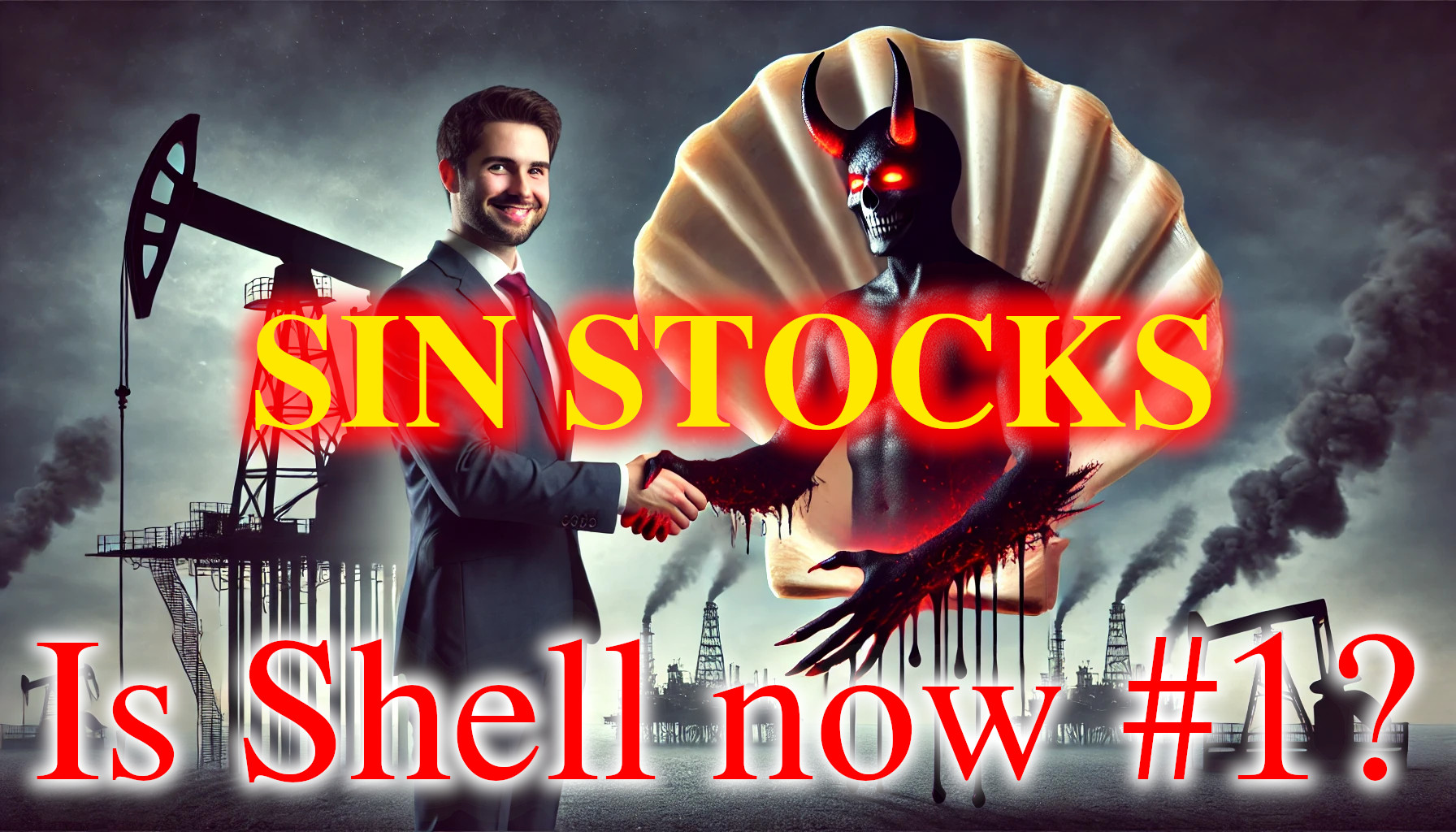
Because what the world really needs right now is an even bigger, greedier, more polluting oil conglomerate, whispers of a Shell-BP mega-merger have resurfaced, sending investment bankers into a frenzy. The proposed deal, which would create a $300 billion fossil fuel monstrosity, is being compared to ExxonMobil’s takeover of Pioneer Natural Resources and Chevron’s grab of Hess. In other words, Big Oil is doubling down on destruction, and Shell and BP don’t want to be left behind.
A Shell-BP merger would create an empire capable of taking on ExxonMobil ($480 billion market cap) and Chevron ($282 billion), solidifying its place among the biggest climate criminals on the planet. Supporters claim consolidation will magically bring “efficiencies” and “financial resilience,” while conveniently ignoring the inevitable job cuts, regulatory nightmares, and intensified climate devastation. Antitrust regulators might object, but when has that ever stopped the oil industry from bulldozing over public interest?
Meanwhile, Shell’s leadership is playing it cool, insisting they’re focused on “organic growth,” while BP’s stock continues to disappoint its shareholders. Enter activist investor Elliott Investment Management, the money-hungry puppeteer pulling the strings behind the scenes, pushing BP to make desperate moves to stay relevant.
As if this wasn’t dystopian enough, Big Oil’s consolidation binge isn’t stopping here. ExxonMobil’s $59.5 billion Pioneer Natural Resources grab strengthens its grip on the Permian Basin, while Chevron’s $53 billion Hess deal secures its control over Guyana’s lucrative offshore reserves. Translation: U.S. oil giants are cementing their dominance, while European majors like Shell and BP scramble to stay in the game, conveniently blaming their struggles on pesky “climate policies.”
So, why the sudden urge to merge? Because the energy transition is exposing their dirty business model, and oil execs are desperate to secure fossil fuel profits while pretending they care about renewables. A Shell-BP merger would allow these climate arsonists to hoard even more resources, claim financial “strength” for a green transition they’ll never truly commit to, and squeeze out every last dollar before the world burns.
Geopolitical considerations play a role, too. Shell and BP merging would give Western oil giants even greater control over key energy reserves, just like ExxonMobil’s Pioneer buyout and Chevron’s Hess acquisition have strengthened the U.S. oil stranglehold. And, of course, shareholders like BlackRock and Vanguard are watching closely, eager for their next payday. After all, nothing boosts dividends like slashing jobs and ramping up climate destruction.
While this particular merger remains speculative, one thing is clear: Big Oil is on a consolidation spree, and the planet is paying the price. Subsea7 and Saipem have already jumped on the bandwagon, merging into a $4.63 billion offshore energy services monster, complete with promises of “cost savings” and “efficiency”—aka, prioritizing profit over planet.
With oil companies frantically merging to cling to relevance, expect more of these “strategic” deals. But let’s be honest: this is not about sustainability or efficiency. It’s about securing power, maximizing shareholder profits, and delaying the inevitable collapse of the fossil fuel empire.
This website and sisters royaldutchshellgroup.com, shellnazihistory.com, royaldutchshell.website, johndonovan.website, shellnews.net, and shellwikipedia.com, are owned by John Donovan. There is also a Wikipedia segment.
 EBOOK TITLE: “SIR HENRI DETERDING AND THE NAZI HISTORY OF ROYAL DUTCH SHELL” – AVAILABLE ON AMAZON
 EBOOK TITLE: “JOHN DONOVAN, SHELL’S NIGHTMARE: MY EPIC FEUD WITH THE UNSCRUPULOUS OIL GIANT ROYAL DUTCH SHELL” – AVAILABLE ON AMAZON.
 EBOOK TITLE: “TOXIC FACTS ABOUT SHELL REMOVED FROM WIKIPEDIA: HOW SHELL BECAME THE MOST HATED BRAND IN THE WORLD” – AVAILABLE ON AMAZON.