 THE SHELL LEAKS FILES: 8 OCTOBER 2026
SLF-2007-081
The Sakhalin Papers LXXI: Good Friday with Putin — Shell Seeks Kremlin Support as Crimea Sanctions Begin
On 18 April 2014, barely a month after Russia annexed Crimea, Royal Dutch Shell chief executive Ben van Beurden travelled to Vladimir Putin’s residence outside Moscow. Western governments had begun imposing sanctions. Diplomatic relations were deteriorating. Yet Shell’s new chief executive was seeking something very different from confrontation: Kremlin support for expanding Sakhalin II and strengthening Shell’s long-term position in Russia. The meeting was recorded in an official Russian presidential transcript, reported by Reuters and Dutch broadcasters, and subsequently explained by van Beurden himself. What makes the episode especially revealing is what happened shortly afterwards. On the same afternoon, Putin authorised the first shipment of Arctic oil from Gazprom’s Prirazlomnaya platform — the installation at the centre of the Arctic 30 controversy examined earlier in this series.
Archive reference: SLF-2007-081
Collection: The Sakhalin Papers
Principal authenticated records: Russian Presidential Executive Office transcript, 18 April 2014; Gazprom corporate records, 23 February, 18 April and 23 May 2014; Royal Dutch Shell plc Annual Report and Form 20-F 2014; US Treasury sanctions announcements, March and April 2014; United Nations General Assembly Resolution 68/262.
Contemporaneous reporting: Reuters, 18 April 2014; NOS, 18 April 2014; Bloomberg, 18 April 2014; AFP, 18–19 April 2014; Washington Post interview with Ben van Beurden, 10 September 2014.
Judicial context: European Court of Human Rights, Ukraine v. Russia (re Crimea), Grand Chamber judgment of 25 June 2024.
Evidence standard: The meeting, public statements, sanctions chronology and project-development discussions are supported by official records and contemporary reporting. Commentary concerning Shell’s political judgment is distinguished from established fact. No finding is made that Shell breached sanctions or participated in Russia’s actions against Ukraine. read more
*This website and sisters
royaldutchshellgroup.com,
shellnazihistory.com,
royaldutchshell.website,
johndonovan.website,
shellnews.net, and
shellwikipedia.com, are owned by
John Donovan - more information
here. There is also a
Wikipedia segment, the
Shell DPA Files,
"Shell and the Spies",
the Shell Leaks files, as well as books written and published by John Donovan -
Kindle eBooks.
Timeline of the Donovan Shell Feud.
Toxic History of Royal Dutch Shell Group. Shell and the Donovans: The Full Media Record — 550+ Articles, 110 Books, 40 Years.
*All created and supported by internet wizz,
Nick Gill.
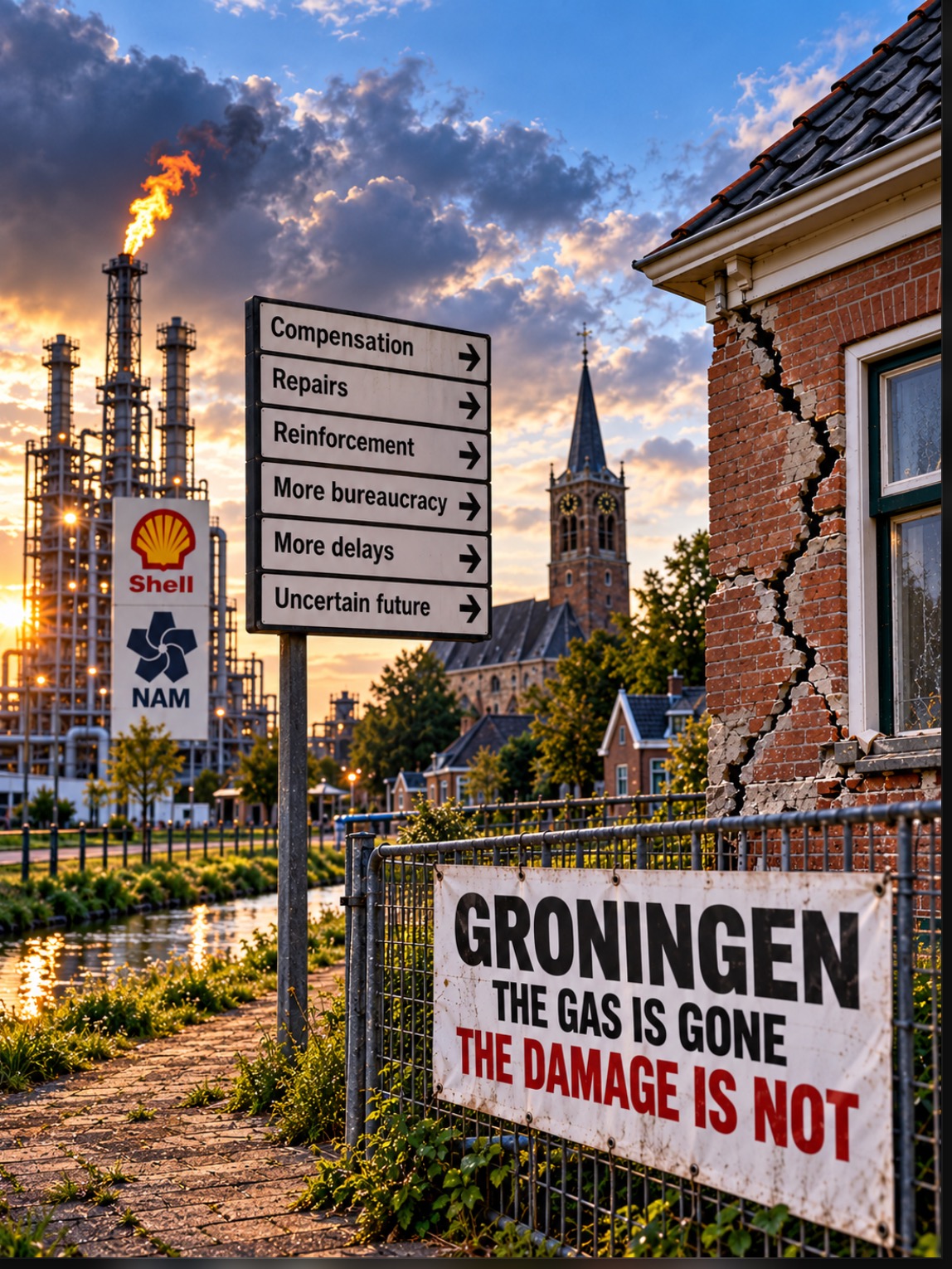 Years after the Groningen gas crisis became a national scandal, residents are still waiting for repairs, reinforcement and certainty — and regional authorities are warning that another round of bureaucracy could make matters worse.
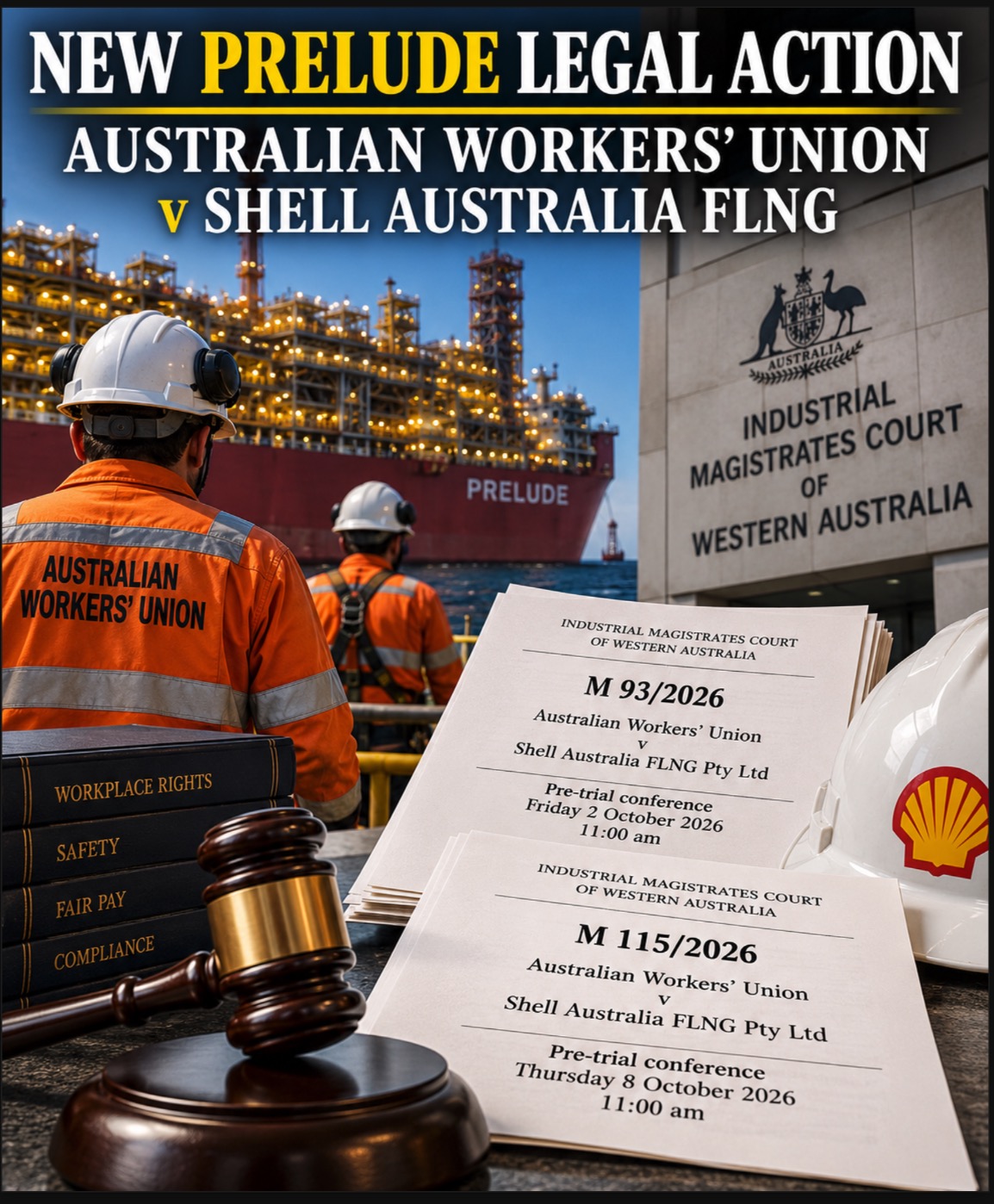
 Shell doubles down on Canada: LNG Canada Phase 2 turns Kitimat into a 28-million-tonne export hub