 THE SHELL LEAKS FILES: 9 OCTOBER 2026
SLF-2007-082
The Sakhalin Papers LXXII: The Partnership Survives — Shell Returns to Gazprom as Sanctions Tighten
On 23 May 2014, five weeks after Ben van Beurden met Vladimir Putin outside Moscow, Shell’s chief executive met Gazprom chairman Alexey Miller again — this time at the St Petersburg International Economic Forum. Russia’s annexation of Crimea had already triggered Western sanctions. Yet the two companies were discussing further cooperation, including expansion of Sakhalin II. Within weeks, the United States and European Union would impose much more consequential restrictions on Russian finance and energy technology. Shell’s response was revealing: it would comply with applicable sanctions, but it was not abandoning its Russian business. The surviving corporate records, contemporary reporting and government documents show how the Gazprom partnership continued through the gathering political crisis.
Archive reference: SLF-2007-082
Collection: The Sakhalin Papers
Principal authenticated records: Gazprom corporate announcements of 23 February, 23 May and 30 September 2014; Royal Dutch Shell plc Annual Report and Form 20-F 2014; US Treasury sanctions announcements of 16 July and 12 September 2014; EU Council Regulation 833/2014.
Contemporaneous reporting: Associated Press, 30 April 2014; Reuters and RIA Novosti, July–September 2014; Interfax, 19 September 2014; UK Foreign and Commonwealth Office report on the St Petersburg International Economic Forum, published 1 June 2014.


 “The Man From Corporate Affairs Security”
 By “proactive information management,” you mean Shell Corporate Affairs Security?
 Hakluyt
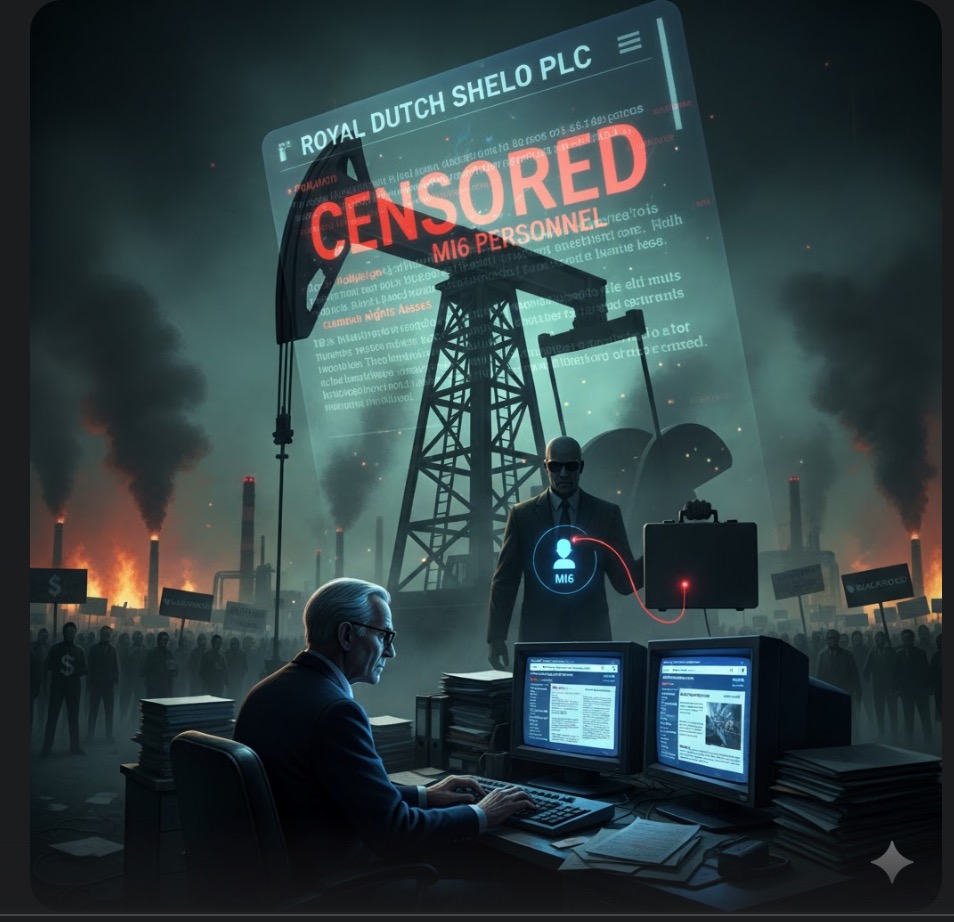 Let’s dispense with the pleasantries. Shell plc is not merely an energy company; it is a sprawling, global financial leviathan whose primary business model appears to be extracting profits while externalizing costs—be they environmental, social, or ethical. For institutional investors like BlackRock or the Vanguard Group, who collectively hold billions in Shell stock, the continuous stream of controversy is the invisible, oily film covering their ESG mandates. The price of their dividends is paid in the currency of compromised ethics, a truth most vividly highlighted not by any official company report, but by the relentless, decades-long scrutiny of two private individuals.


 Posted by John Donovan: 14 April 2024
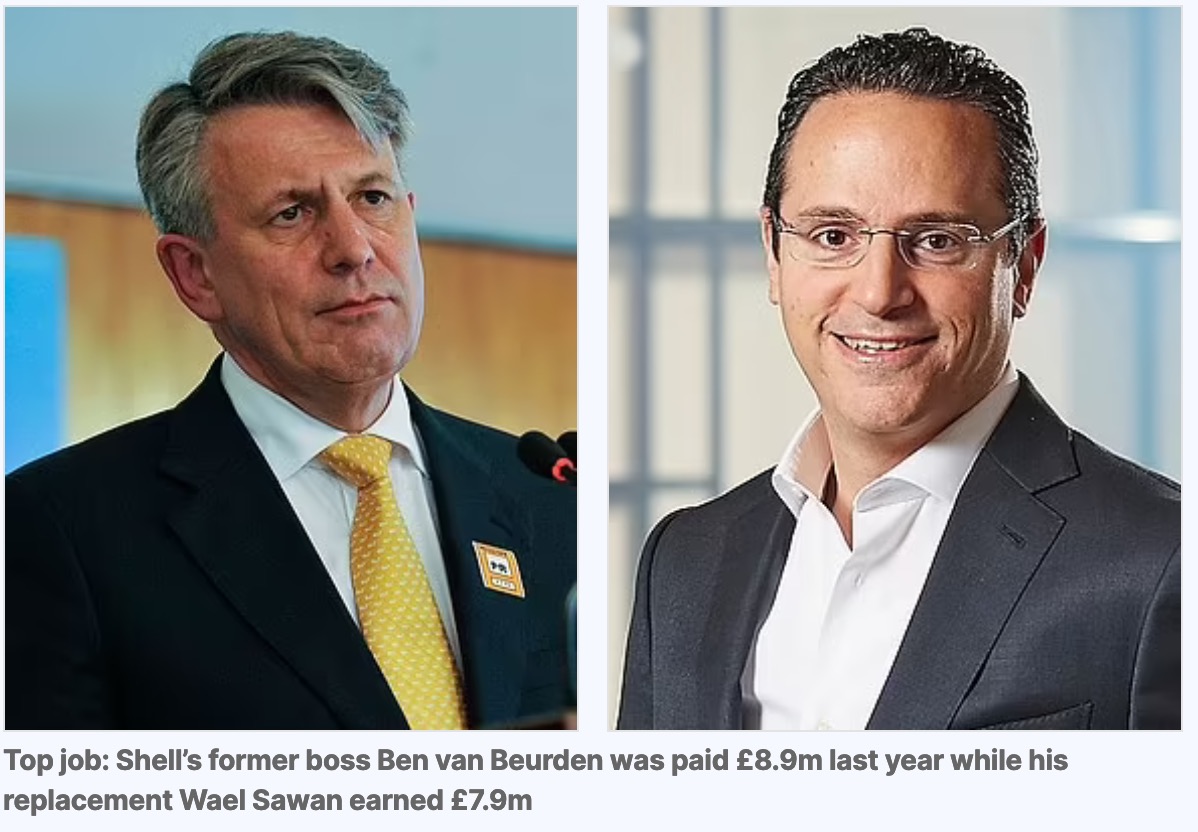
 In an astounding turn of events that shocked no one, Shell’s ex-bigwig, Ben van Beurden (left), managed to stuff his pockets with an extra £8.9 million last year, elevating his total take from the oil giant to a modest £95 million. Who said being an eco-villain doesn’t pay well?








