Gazprom

THE SHELL LEAKS FILES: 7 OCTOBER 2026

THE SHELL LEAKS FILES: 7 OCTOBER 2026

SLF-2007-080

The Sakhalin Papers LXX: The Third Train — Shell Pushes to Expand the Project It No Longer Controlled

Seven years after Shell surrendered control of Sakhalin II to Gazprom, it was pressing its new majority partner to make the project larger. In September 2013 Shell warned that delay could squander favourable Asian LNG prices. The difficulty was not the existing plant: Sakhalin II was already producing above its original design capacity. The problem was finding enough additional gas. Shell pointed toward Gazprom’s neighbouring Sakhalin III resources. In December, Peter Voser and incoming chief executive Ben van Beurden agreed with Gazprom to advance engineering work. On 23 February 2014, van Beurden and Alexey Miller signed the roadmap in Sochi. Shell no longer controlled Sakhalin II. But it plainly still regarded the project as something worth expanding.

Archive reference: SLF-2007-080; Collection: The Sakhalin Papers; Principal authenticated records: Royal Dutch Shell plc Annual Report and Form 20-F 2014; Gazprom corporate records dated 23 October and 23 December 2013 and 23 February 2014; Contemporaneous reporting: Reuters, 30 September 2013; Later corroborating record: Gazprom’s subsequent account of the proposed third train and its intended Sakhalin III feed gas; Evidence standard: preparation of FEED documentation is distinguished throughout from a final investment decision or authorisation to construct the third train. No court or arbitral ruling identified for this instalment adjudicated the commercial merits of the expansion proposal. read more

*This website and sisters royaldutchshellgroup.com, shellnazihistory.com, royaldutchshell.website, johndonovan.website, shellnews.net, and shellwikipedia.com, are owned by John Donovan - more information here. There is also a Wikipedia segment, the Shell DPA Files, "Shell and the Spies", the Shell Leaks files, as well as books written and published by John Donovan - Kindle eBooks. Timeline of the Donovan Shell Feud. Toxic History of Royal Dutch Shell Group. Shell and the Donovans: The Full Media Record — 550+ Articles, 110 Books, 40 Years. *All created and supported by internet wizz, Nick Gill.

SHELL LEAKS FILES: 6 OCTOBER 2026

SHELL LEAKS FILES: 6 OCTOBER 2026

SLF-2007-079

The Sakhalin Papers LXIX: “A Good and Reliable Partner” — The Arctic 30 Put Shell’s Gazprom Alliance to the Test

On 18 September 2013 Greenpeace activists attempted to scale Gazprom’s Prirazlomnaya platform in the Pechora Sea. The following day Russian authorities boarded the Dutch-flagged Arctic Sunrise in Russia’s exclusive economic zone. Twenty-eight Greenpeace activists and two freelance journalists were eventually detained and prosecuted. Within weeks Greenpeace was demanding that Shell sever its Arctic cooperation with Gazprom. Shell refused to disown its Russian partner. A spokesman called Gazprom a “good and reliable partner” — while simultaneously stressing that Shell had no involvement in Prirazlomnaya and no joint Arctic operation with Gazprom then under way. The distinction was legally important. Reputationally, it was much harder to maintain.

Archive reference: SLF-2007-079
Collection: The Sakhalin Papers
Principal authenticated records: Royal Dutch Shell plc SEC filings concerning Sakhalin II and Shell’s 2013 Annual Report and Form 20-F; Gazprom corporate records concerning Russian Arctic cooperation and Prirazlomnoye
Contemporaneous reporting: ANP, NOS, The Washington Post, contemporary reporting preserved in the Donovan archive
Judicial and arbitral record: The Arctic Sunrise Case, ITLOS Case No. 22; Arctic Sunrise Arbitration (Netherlands v. Russia); later Bryan and Others v. Russia, European Court of Human Rights
Evidence standard: Shell’s commercial relationship with Gazprom, the Greenpeace protest, Russian boarding and detention of the Arctic Sunrise, international proceedings and the start of Prirazlomnoye production are treated according to corporate, governmental and judicial records. Greenpeace accusations against Shell are attributed to Greenpeace. Nothing identified here establishes that Shell ordered, requested or participated in the Russian security operation or prosecution. read more

*This website and sisters royaldutchshellgroup.com, shellnazihistory.com, royaldutchshell.website, johndonovan.website, shellnews.net, and shellwikipedia.com, are owned by John Donovan - more information here. There is also a Wikipedia segment, the Shell DPA Files, "Shell and the Spies", the Shell Leaks files, as well as books written and published by John Donovan - Kindle eBooks. Timeline of the Donovan Shell Feud. Toxic History of Royal Dutch Shell Group. Shell and the Donovans: The Full Media Record — 550+ Articles, 110 Books, 40 Years. *All created and supported by internet wizz, Nick Gill.

THE SHELL LEAKS FILES: 5 OCTOBER 2026

THE SHELL LEAKS FILES: 5 OCTOBER 2026

SLF-2007-078

The Sakhalin Papers LXVIII: From Siberia to the Arctic — Shell Takes the Gazprom Partnership Into Russia’s New Frontier

Forty days after Shell announced that it would pause its Alaskan Arctic drilling programme following the troubled 2012 season, Royal Dutch Shell chairman Jorma Ollila sat in Amsterdam with Gazprom chief Alexey Miller and signed a memorandum for cooperation on Russia’s Arctic shelf. Vladimir Putin and Dutch prime minister Mark Rutte were present. A parallel Shell–Gazprom Neft agreement targeted liquids-rich shale in Western Siberia. Shell had not abandoned its Arctic strategy after the grounding of the Kulluk. It had begun pursuing another Arctic frontier — this time through the Russian state company that had taken control of Sakhalin II.

Archive reference: SLF-2007-078
Collection: The Sakhalin Papers
Principal authenticated records: Royal Dutch Shell plc Annual Report and Form 20-F 2013; Gazprom corporate chronology and April 2013 corporate record; US Department of the Interior assessment of Shell’s 2012 Arctic operations; National Transportation Safety Board investigation of the Kulluk grounding
Court record: Shell Offshore, Inc. v. Greenpeace, Inc., 709 F.3d 1281 (9th Cir. 2013)
Contemporaneous reporting: UPI; RIA Novosti reporting; Daily Telegraph reporting preserved in the Donovan archive
Evidence standard: The Alaska pause, Kulluk grounding, US government review, April 2013 Gazprom–Shell memorandum and parallel shale agreement are established documentary facts. The Russian agreement is treated as a framework for potential cooperation, not as evidence that specific Arctic fields were awarded to Shell or that production was authorised. The proximity in time between the Alaska setbacks and the Russian agreement is established; any proposition that the Russian Arctic was a direct replacement for Alaska remains commentary rather than documented Shell policy. read more

*This website and sisters royaldutchshellgroup.com, shellnazihistory.com, royaldutchshell.website, johndonovan.website, shellnews.net, and shellwikipedia.com, are owned by John Donovan - more information here. There is also a Wikipedia segment, the Shell DPA Files, "Shell and the Spies", the Shell Leaks files, as well as books written and published by John Donovan - Kindle eBooks. Timeline of the Donovan Shell Feud. Toxic History of Royal Dutch Shell Group. Shell and the Donovans: The Full Media Record — 550+ Articles, 110 Books, 40 Years. *All created and supported by internet wizz, Nick Gill.

THE SHELL LEAKS FILES: 4 OCTOBER 2026

THE SHELL LEAKS FILES: 4 OCTOBER 2026

SLF-2007-077

The Sakhalin Papers LXVII: From Protocol Toward a Joint Venture — Shell and Gazprom Neft Plan Expansion Across Western Siberia and Beyond

Seven months after Shell and Gazprom signed their “Protocol on Strategic Global Cooperation”, Shell chief executive Peter Voser and Gazprom Neft chief Alexander Dyukov signed basic terms for something more concrete: a possible new joint venture covering Western Siberia, other Russian regions and even “third countries”. The distinction matters. No new venture was actually created by the June 2011 document. Shell and Gazprom Neft agreed to study one. By September Alexey Miller and Voser were still discussing how it might be established. But the direction was unmistakable. Four years after Shell lost control of Sakhalin II, the company was attempting to turn its relationship with Gazprom into a platform for expansion far beyond Sakhalin.

Archive reference: SLF-2007-077
Collection: The Sakhalin Papers
Principal authenticated records: Royal Dutch Shell plc Annual Report and Form 20-F 2011; US Securities and Exchange Commission filing record; Gazprom corporate records concerning the 2010 Strategic Global Cooperation Protocol and the June 2011 Gazprom Neft–Shell agreement
Contemporaneous reporting: Gazprom Neft press-service material; Dow Jones; Russian business press; contemporaneous Donovan archive
Judicial context: Export Credits Guarantee Department v Friends of the Earth [2008] EWHC 638 (Admin)
Evidence standard: The June 2011 agreement is described according to what it actually did: it established basic terms for examining the creation of a joint venture. It is not represented as proof that the contemplated venture had already been incorporated or that every proposed project proceeded. Corporate statements about technology, international assets and future cooperation are attributed to the companies making them. Commentary concerning strategic motives is identified as commentary. read more

*This website and sisters royaldutchshellgroup.com, shellnazihistory.com, royaldutchshell.website, johndonovan.website, shellnews.net, and shellwikipedia.com, are owned by John Donovan - more information here. There is also a Wikipedia segment, the Shell DPA Files, "Shell and the Spies", the Shell Leaks files, as well as books written and published by John Donovan - Kindle eBooks. Timeline of the Donovan Shell Feud. Toxic History of Royal Dutch Shell Group. Shell and the Donovans: The Full Media Record — 550+ Articles, 110 Books, 40 Years. *All created and supported by internet wizz, Nick Gill.

THE SHELL LEAKS FILES: 3 OCTOBER 2026

THE SHELL LEAKS FILES: 3 OCTOBER 2026

SLF-2007-076

The Sakhalin Papers LXVI: “Strategic Global Cooperation” — Four Years After the Kremlin Crisis, Shell Signs a Worldwide Pact with Gazprom

On 30 November 2010, Royal Dutch Shell chief executive Peter Voser and Gazprom chairman Alexey Miller signed a “Protocol on Strategic Global Cooperation”. The language was striking. Shell and Gazprom would examine exploration and production opportunities in western Siberia and the Russian Far East, downstream cooperation in Russia and Europe, and even Gazprom participation in Shell projects outside Russia. Shell described the relationship as a “strong partnership”. This was less than four years after Gazprom had taken control of Sakhalin II during one of the most contentious episodes in Shell’s modern history. The protocol did not erase what had happened at Sakhalin. It showed what Shell decided to do afterwards.

Archive reference: SLF-2007-076
Collection: The Sakhalin Papers
Principal authenticated records: Royal Dutch Shell plc Form 6-K filed with the US Securities and Exchange Commission, December 2010; Royal Dutch Shell fourth-quarter and full-year 2010 results; Royal Dutch Shell plc Form 6-K of December 2006
Contemporaneous reporting: The Guardian; Dow Jones/Wall Street Journal reporting preserved in the Donovan archive; Bloomberg
Judicial context: Export Credits Guarantee Department v Friends of the Earth [2008] EWHC 638 (Admin)
Evidence standard: The 2010 protocol, its stated scope and the parties’ public statements are treated as established corporate facts. Contemporary descriptions of the 2006 Sakhalin ownership transfer as forced or Kremlin-driven remain attributed descriptions. No court identified here found that Shell entered the 2010 agreement because of coercion, a secret bargain or an earlier promise of access to Russian resources. read more

*This website and sisters royaldutchshellgroup.com, shellnazihistory.com, royaldutchshell.website, johndonovan.website, shellnews.net, and shellwikipedia.com, are owned by John Donovan - more information here. There is also a Wikipedia segment, the Shell DPA Files, "Shell and the Spies", the Shell Leaks files, as well as books written and published by John Donovan - Kindle eBooks. Timeline of the Donovan Shell Feud. Toxic History of Royal Dutch Shell Group. Shell and the Donovans: The Full Media Record — 550+ Articles, 110 Books, 40 Years. *All created and supported by internet wizz, Nick Gill.

THE SHELL LEAKS FILES: 2 OCTOBER 2026

THE SHELL LEAKS FILES: 2 OCTOBER 2026

SLF-2007-075

The Sakhalin Papers LXV: The “New Heartland” — Why Shell Deepened Its Gazprom Partnership After Losing Control

In December 2006 Shell agreed to surrender control of Sakhalin II. By April 2007 Gazprom owned 50 per cent plus one share. Yet within two years Shell was not retreating from Russia. It was signing twenty-year gas agreements with Gazprom, discussing Sakhalin III, exploring Yamal LNG opportunities and establishing a working group to pursue additional Sakhalin resources. Shell’s 2009 Annual Report went further still: Russia had become a new corporate “heartland.” The documents establish the expansion of the relationship. They do not contain a single internal memorandum explaining why Shell chose that course. But Shell’s public statements, Gazprom’s records and the commercial structure make the strategic calculation unusually visible.

Archive reference: SLF-2007-075
Collection: The Sakhalin Papers
Principal authenticated records: Royal Dutch Shell plc Annual Report and Form 20-F 2009; Shell SEC filings; Gazprom corporate releases of 8 April and 18 September 2009
Contemporaneous reporting: Reuters, Bloomberg, Dow Jones/Wall Street Journal, UPI, AFP and The Times
Judicial context: Export Credits Guarantee Department v Friends of the Earth [2008] EWHC 638 (Admin)
Evidence standard: The agreements, meetings, ownership interests and Shell’s description of Russia as a new “heartland” are treated as established documentary facts. Contemporary descriptions of Shell having been forced or pressured to surrender control remain attributed to journalists and other observers. No public court judgment identified here determined that Gazprom’s acquisition resulted from an unlawful bargain. Explanations of Shell’s strategic motives are commentary unless explicitly attributed to Shell. read more

*This website and sisters royaldutchshellgroup.com, shellnazihistory.com, royaldutchshell.website, johndonovan.website, shellnews.net, and shellwikipedia.com, are owned by John Donovan - more information here. There is also a Wikipedia segment, the Shell DPA Files, "Shell and the Spies", the Shell Leaks files, as well as books written and published by John Donovan - Kindle eBooks. Timeline of the Donovan Shell Feud. Toxic History of Royal Dutch Shell Group. Shell and the Donovans: The Full Media Record — 550+ Articles, 110 Books, 40 Years. *All created and supported by internet wizz, Nick Gill.

THE SHELL LEAKS FILES: 1 OCTOBER 2026

THE SHELL LEAKS FILES: 1 OCTOBER 2026

SLF-2007-074

The Sakhalin Papers LXIV: The Kremlin’s LNG Prize — Russia’s First LNG Plant Opens After Shell Loses Control

Two years after Gazprom took control of Sakhalin II, President Dmitry Medvedev inaugurated Russia’s first liquefied natural gas plant. Shell was no longer the controlling shareholder, but it had not disappeared: it retained 27.5 per cent, remained a technical participant and would soon be buying Sakhalin LNG under long-term arrangements. On 29 March 2009 the first Russian LNG cargo left for Japan. Shell’s own annual report later called Russia a new “heartland.” The project had survived cost escalation, environmental controversy, litigation, political pressure and a forced change in ownership. The strategic prize was finally producing — under Russian control.

Archive reference: SLF-2007-074
Collection: The Sakhalin Papers
Principal authenticated record: Royal Dutch Shell plc Annual Report and Form 20-F 2009
Contemporaneous corporate record: Sakhalin Energy statement, 18 February 2009
Contemporaneous reporting: Reuters, Financial Times, Oil & Gas Journal, Offshore, New Europe
Judicial context: Export Credits Guarantee Department v Friends of the Earth [2008] EWHC 638 (Admin)
Evidence standard: Production, ownership, capacity and Shell accounting statements are treated as established where recorded in Shell or Sakhalin Energy documents. Contemporary descriptions of the 2006–07 ownership change as coercive or politically driven remain attributed assessments rather than judicial findings. The plant’s successful commissioning is not treated as proof that earlier environmental concerns were unfounded or that every environmental obligation had been satisfied. read more

*This website and sisters royaldutchshellgroup.com, shellnazihistory.com, royaldutchshell.website, johndonovan.website, shellnews.net, and shellwikipedia.com, are owned by John Donovan - more information here. There is also a Wikipedia segment, the Shell DPA Files, "Shell and the Spies", the Shell Leaks files, as well as books written and published by John Donovan - Kindle eBooks. Timeline of the Donovan Shell Feud. Toxic History of Royal Dutch Shell Group. Shell and the Donovans: The Full Media Record — 550+ Articles, 110 Books, 40 Years. *All created and supported by internet wizz, Nick Gill.

THE SHELL LEAKS FILES: 30 SEPTEMBER 2026

THE SHELL LEAKS FILES: 30 SEPTEMBER 2026

SLF-2007-073

The Sakhalin Papers LXIII: The Reserves Ledger — Did Shell Really Lose 1.06 Billion Barrels?

In March 2008, the consequences of Shell’s surrender of control at Sakhalin II surfaced in the language oil companies understand best: proved reserves. Contemporary reports said roughly 1.1 billion barrels of oil equivalent were disappearing from Shell’s books. Shell’s own annual report contained two striking figures — 658 million boe and 402 million boe — which, when added together, appeared to support that conclusion. But they did not describe the same thing. One figure represented minority interests disappearing from a consolidated subsidiary; the other represented reserves being transferred into the equity-accounted investment column. Shell’s actual reduction in proved reserves attributable to its shareholders from the Sakhalin transaction was approximately 402 million boe. The distinction is accounting — but it is not merely cosmetic.

Archive reference: SLF-2007-073
Collection: The Sakhalin Papers
Principal authenticated records: Royal Dutch Shell plc Annual Report and Form 20-F 2006; Royal Dutch Shell plc Annual Report and Form 20-F 2007
Contemporaneous reporting: Financial Times; JP Morgan/Hemscott; The Observer; Bloomberg; Thomson Financial/AFX; Energy Intelligence
Judicial context: Export Credits Guarantee Department v Friends of the Earth [2008] EWHC 638 (Admin)
Evidence standard: Shell’s reserve figures and accounting classifications are treated as corporate facts. Contemporary descriptions of a 1.1-billion-barrel “loss” are attributed to the analysts and journalists who used them. No accounting reclassification is treated as a physical disappearance of hydrocarbons. The distinction between reserves surrendered economically and reserves merely moved between reporting categories is maintained throughout. read more

*This website and sisters royaldutchshellgroup.com, shellnazihistory.com, royaldutchshell.website, johndonovan.website, shellnews.net, and shellwikipedia.com, are owned by John Donovan - more information here. There is also a Wikipedia segment, the Shell DPA Files, "Shell and the Spies", the Shell Leaks files, as well as books written and published by John Donovan - Kindle eBooks. Timeline of the Donovan Shell Feud. Toxic History of Royal Dutch Shell Group. Shell and the Donovans: The Full Media Record — 550+ Articles, 110 Books, 40 Years. *All created and supported by internet wizz, Nick Gill.

THE SHELL LEAKS FILES: 29 SEPTEMBER 2026

THE SHELL LEAKS FILES: 29 SEPTEMBER 2026

SLF-2007-072

The Sakhalin Papers LXII: The Fine Print — $4.1 Billion, a $19.4 Billion Budget and the “Economic Balance” Agreements

The Kremlin agreement of December 2006 determined who would control Sakhalin II. The transaction completed on 18 April 2007 determined what that change meant in money, accounting and project economics. Shell received approximately $4.1 billion, surrendered half its interest, stopped consolidating Sakhalin Energy as a subsidiary and accepted Gazprom as majority shareholder. On the same day, Russia approved the revised Environmental Action Plan, the project’s amended development budget was approved, and Shell later disclosed that additional agreements had been signed with the Russian Government “addressing the economic balance of the project.” Those facts are documented. The surviving public record is much less explicit about what those additional agreements contained.

Archive reference: SLF-2007-072
Collection: The Sakhalin Papers
Principal authenticated records: Royal Dutch Shell plc Form 20-F for 2007; Shell SEC-filed 2007 interim financial statements; Shell announcement of 18 April 2007
Government/project record: approval of the amended Sakhalin II development budget and revised Environmental Action Plan
Contemporaneous reporting: Reuters; Oil & Gas Journal; contemporary project and financial reporting
Later judicial context: Export Credits Guarantee Department v Friends of the Earth [2008] EWHC 638 (Admin)
Evidence standard: transaction figures and accounting treatment are treated as established corporate facts. Statements concerning Russian motives or coercion remain attributed assessments. The phrase “economic balance of the project” is Shell’s own description; no interpretation of undisclosed agreement terms is presented as fact. read more

*This website and sisters royaldutchshellgroup.com, shellnazihistory.com, royaldutchshell.website, johndonovan.website, shellnews.net, and shellwikipedia.com, are owned by John Donovan - more information here. There is also a Wikipedia segment, the Shell DPA Files, "Shell and the Spies", the Shell Leaks files, as well as books written and published by John Donovan - Kindle eBooks. Timeline of the Donovan Shell Feud. Toxic History of Royal Dutch Shell Group. Shell and the Donovans: The Full Media Record — 550+ Articles, 110 Books, 40 Years. *All created and supported by internet wizz, Nick Gill.

THE SHELL LEAKS FILES: 28 SEPTEMBER 2026

THE SHELL LEAKS FILES: 28 SEPTEMBER 2026

SLF-2007-071

The Sakhalin Papers LXI: The Kremlin Deal — $7.45 Billion and the Day Shell Agreed to Give Up Control

On 21 December 2006, after months of environmental enforcement, permit uncertainty, cost disputes and negotiations with Gazprom, Shell and its Japanese partners signed a protocol inside the Kremlin. Gazprom would pay $7.45 billion for 50 per cent plus one share of Sakhalin Energy. Shell’s 55 per cent interest would be halved. President Vladimir Putin described Gazprom’s entry as a corporate decision and, at the same meeting, said the project’s fundamental problems could be considered resolved. The timing generated immediate allegations that regulatory pressure had been used as commercial leverage. Shell did not adopt that interpretation. Nor did any court identified in this archive adjudicate such a bargain. What the documents do establish is unusually stark: the ownership dispute, the project-budget dispute and the environmental crisis converged on the same day.

Archive reference: SLF-2007-071
Collection: The Sakhalin Papers
Principal authenticated record: Royal Dutch Shell plc Form 6-K filed with the US Securities and Exchange Commission, December 2006; Royal Dutch Shell plc Annual Report and Form 20-F 2007
Corporate environmental record: Shell Sustainability Report 2006
Government and institutional record: contemporaneous Kremlin statements; later House of Commons Foreign Affairs Committee report
Contemporaneous reporting: The Guardian, Wall Street Journal, Bloomberg, Radio Free Europe/Radio Liberty, Oil & Gas Journal
Later judicial context: Export Credits Guarantee Department v Friends of the Earth [2008] EWHC 638 (Admin)
Additional contemporary record: Shell’s January 2007 response to the Donovan account, subsequently preserved by Legal 500
Evidence standard: transaction terms are treated as corporate facts; Russian environmental allegations as allegations; descriptions of administrative pressure are attributed to journalists or Parliamentary findings; the coincidence of regulatory and commercial events is not treated as proof of a secret quid pro quo. read more

*This website and sisters royaldutchshellgroup.com, shellnazihistory.com, royaldutchshell.website, johndonovan.website, shellnews.net, and shellwikipedia.com, are owned by John Donovan - more information here. There is also a Wikipedia segment, the Shell DPA Files, "Shell and the Spies", the Shell Leaks files, as well as books written and published by John Donovan - Kindle eBooks. Timeline of the Donovan Shell Feud. Toxic History of Royal Dutch Shell Group. Shell and the Donovans: The Full Media Record — 550+ Articles, 110 Books, 40 Years. *All created and supported by internet wizz, Nick Gill.

THE SHELL LEAKS FILES: 27 SEPTEMBER 2026

THE SHELL LEAKS FILES: 27 SEPTEMBER 2026

SLF-2007-070

The Sakhalin Papers LX: The Permit War — When Shell’s Internal Emails Reached Russia’s Environmental Watchdog

In September 2006, Russia moved against the environmental approval underpinning Sakhalin II Phase 2. Shell-led Sakhalin Energy said the approval had survived a Russian court challenge only weeks earlier and denied there were lawful grounds for revocation. Then another evidential strand entered the dispute. Internal Shell emails from 2002 — expressing concern about seismic faults, well design and a project being “schedule driven” — were supplied by John Donovan to Russian environmental official Oleg Mitvol. Contemporary Interfax and Argus reporting independently recorded that Mitvol received the material and sought answers from Sakhalin Energy. The emails did not prove environmental catastrophe, nor has any court identified here adjudicated their technical implications. But they became part of the regulatory confrontation at precisely the moment Shell was fighting to retain control of its largest Russian investment.

Archive reference: SLF-2007-070
Collection: The Sakhalin Papers
Principal corporate records: Shell/Sakhalin Energy statements; Shell internal Bouman–Van Spronsen emails; Royal Dutch Shell SEC filing of 21 December 2006
Regulatory record: Russian Ministry of Natural Resources/Rosprirodnadzor statements as reported contemporaneously
Contemporaneous reporting: Reuters, Interfax, Oil & Gas Journal, The Guardian, Dow Jones/MarketWatch and Argus
Archive correspondence: John Donovan communications with Oleg Mitvol, August–November 2006
Later judicial context: Export Credits Guarantee Department v Friends of the Earth [2008] EWHC 638 (Admin)
Evidence standard: Russian allegations, Sakhalin Energy responses, internal technical concerns, Donovan commentary and journalistic interpretation are kept separate. The transmission of the Shell emails to Rosprirodnadzor is documented; it is not inferred that those emails caused the Russian regulatory campaign or the subsequent transfer of control to Gazprom. read more

*This website and sisters royaldutchshellgroup.com, shellnazihistory.com, royaldutchshell.website, johndonovan.website, shellnews.net, and shellwikipedia.com, are owned by John Donovan - more information here. There is also a Wikipedia segment, the Shell DPA Files, "Shell and the Spies", the Shell Leaks files, as well as books written and published by John Donovan - Kindle eBooks. Timeline of the Donovan Shell Feud. Toxic History of Royal Dutch Shell Group. Shell and the Donovans: The Full Media Record — 550+ Articles, 110 Books, 40 Years. *All created and supported by internet wizz, Nick Gill.

THE SHELL LEAKS FILES: 26 SEPTEMBER 2026

THE SHELL LEAKS FILES: 26 SEPTEMBER 2026

SLF-2007-069

The Sakhalin Papers LIX: The 120-Day Test — When Shell’s $20 Billion Project Was Put Out for Public Judgment

In December 2005, the European Bank for Reconstruction and Development decided that Sakhalin II’s environmental and social documentation was sufficiently developed to enter formal public consultation. That was not project approval and it was not a loan decision. During the following 120 days, critics challenged the project in London, Moscow, Sakhalin and Hokkaido over whales, salmon rivers, seismic risk, oil-spill preparedness and consultation itself. Sakhalin Energy maintained that it was complying with Russian law and improving its environmental controls. Then, before the financing question could be resolved, the argument changed character. Russian regulators moved against a crucial environmental approval, Gazprom was seeking entry into the project, and EBRD said the resulting legal uncertainty prevented it from progressing its financing decision.

Archive reference: SLF-2007-069
Collection: The Sakhalin Papers
Principal institutional record: European Bank for Reconstruction and Development Sakhalin II records and Independent Recourse Mechanism file
Authenticated corporate record: The Shell Sustainability Report 2006
Contemporaneous reporting: AFP, Oil & Gas Journal, RIA Novosti, The Guardian, El País
Campaign submissions: WWF, Friends of the Earth, The Corner House and Friends of the Earth Japan
Later judicial context: Export Credits Guarantee Department v Friends of the Earth [2008] EWHC 638 (Admin)
Evidence standard: EBRD determinations are distinguished from campaign-group interpretations of them. Sakhalin Energy statements are attributed to the company. Russian environmental allegations are distinguished from contemporaneous claims that regulatory action was being used to influence Gazprom’s entry into the project. No court identified in this file determined that the 2006 Russian enforcement campaign was either fabricated or politically motivated. read more

*This website and sisters royaldutchshellgroup.com, shellnazihistory.com, royaldutchshell.website, johndonovan.website, shellnews.net, and shellwikipedia.com, are owned by John Donovan - more information here. There is also a Wikipedia segment, the Shell DPA Files, "Shell and the Spies", the Shell Leaks files, as well as books written and published by John Donovan - Kindle eBooks. Timeline of the Donovan Shell Feud. Toxic History of Royal Dutch Shell Group. Shell and the Donovans: The Full Media Record — 550+ Articles, 110 Books, 40 Years. *All created and supported by internet wizz, Nick Gill.

THE SHELL LEAKS FILES: 25 SEPTEMBER 2026

THE SHELL LEAKS FILES: 25 SEPTEMBER 2026

SLF-2007-068

The Sakhalin Papers LVIII: The Audit After the Spill — What Shell’s Lenders Were Being Told About Sakhalin II

In December 2005, an independent lenders’ audit of Sakhalin II Phase I entered the documentary record. A later German parliamentary motion, citing the report by name, said that two-thirds of 90 matters examined produced negative results concerning compliance with environmental standards. A separate submission by WWF, Friends of the Earth and The Corner House said the same audit criticised management of oil-spill response equipment and found that materials used after the Cristoforo Colombo accident had not been replaced. The audit itself has not been located in the publicly accessible sources reviewed for this file. Those descriptions must therefore remain attributed. But Shell’s own 2005 Sustainability Report independently acknowledges another serious compliance problem: contractors had not always followed the agreed safeguards for environmentally sensitive river crossings, forcing Sakhalin Energy to halt its winter work programme, retrain contractors and tighten monitoring.

Archive reference: SLF-2007-068
Collection: The Sakhalin Papers
Principal audit cited in the record: 2005 Lenders Tier III HSE Audit for Phase One, RSK ENSR, December 2005
Authenticated corporate source: The Shell Sustainability Report 2005
Lender records: European Bank for Reconstruction and Development Phase I project record and 2005 Annual Report
Contemporaneous reporting: The Observer, June 2005; Financial Times, December 2005
Parliamentary records: German Bundestag Drucksache 16/1668; UK House of Commons Environmental Audit Committee evidence
Judicial record: Export Credits Guarantee Department v Friends of the Earth [2008] EWHC 638 (Admin)
Evidence standard: The underlying RSK ENSR audit has not been located in the publicly available record examined here. Statements about its findings are therefore attributed to the organisations and parliamentarians who cited it. Shell and lender statements are identified as such. No court ruled on the findings of the December 2005 audit. read more

*This website and sisters royaldutchshellgroup.com, shellnazihistory.com, royaldutchshell.website, johndonovan.website, shellnews.net, and shellwikipedia.com, are owned by John Donovan - more information here. There is also a Wikipedia segment, the Shell DPA Files, "Shell and the Spies", the Shell Leaks files, as well as books written and published by John Donovan - Kindle eBooks. Timeline of the Donovan Shell Feud. Toxic History of Royal Dutch Shell Group. Shell and the Donovans: The Full Media Record — 550+ Articles, 110 Books, 40 Years. *All created and supported by internet wizz, Nick Gill.

THE SHELL LEAKS FILES: 24 SEPTEMBER 2026

THE SHELL LEAKS FILES: 24 SEPTEMBER 2026

SLF-2007-067

The Sakhalin Papers LVII: The Spill Before the Whale Fight — Cristoforo Colombo, Kholmsk and Shell’s Emergency System Put to a Real-World Test

On 8 September 2004, Typhoon Songda drove the dredger Cristoforo Colombo aground only metres from the shore at Kholmsk. The vessel was working within the Sakhalin II construction chain. Fuel tanks ruptured, oil reached the sea and shoreline, Russian prosecutors opened a criminal investigation, and environmental organisations demanded that Shell halt marine work. Sakhalin Energy insisted that the vessel was neither owned nor directly contracted by the company and that its emergency organisation responded rapidly. A later company presentation provides something unusually valuable: an hour-by-hour response chronology. It also revises the amount of oil said to have escaped dramatically downward from the roughly 190–200 tonnes reported at the time to a final company estimate of 28 tonnes.

Archive reference: SLF-2007-067
Collection: The Sakhalin Papers
Principal authenticated records: Sakhalin Energy 2004 Annual Review; Sakhalin Energy presentation, Cristoforo Colombo Incident — 8th September 2004
Contemporaneous reporting: Energy Intelligence, Kommersant and contemporary Russian reporting
Legal record: Sakhalin environmental prosecutor’s criminal investigation under Article 252(2) of the Russian Criminal Code; subsequent civil claim against European Dredging Company
Related archive evidence: Rick Steiner’s 1999 Sakhalin oil-spill recommendations and the 2004–2005 environmental controversy
Evidence standard: Initial spill-volume estimates are distinguished from Sakhalin Energy’s later estimate. Statements by environmental organisations are attributed to them. Company response claims are tested where possible against Sakhalin Energy’s own detailed incident chronology. read more

*This website and sisters royaldutchshellgroup.com, shellnazihistory.com, royaldutchshell.website, johndonovan.website, shellnews.net, and shellwikipedia.com, are owned by John Donovan - more information here. There is also a Wikipedia segment, the Shell DPA Files, "Shell and the Spies", the Shell Leaks files, as well as books written and published by John Donovan - Kindle eBooks. Timeline of the Donovan Shell Feud. Toxic History of Royal Dutch Shell Group. Shell and the Donovans: The Full Media Record — 550+ Articles, 110 Books, 40 Years. *All created and supported by internet wizz, Nick Gill.

THE SHELL LEAKS FILES: 23 SEPTEMBER 2026

THE SHELL LEAKS FILES: 23 SEPTEMBER 2026

SLF-2007-066

The Sakhalin Papers LVI: Before the Whale Panel — Rick Steiner, Exxon Valdez and the 78 Warnings Shell Faced Before Sakhalin II Phase 2

Yesterday’s file ended with Rick Steiner walking away from the scientific process surrounding Sakhalin II in August 2005. But that was not the beginning of his involvement with Sakhalin. Six years earlier, before Shell became the dominant shareholder and before the enormous Phase 2 development was sanctioned, Steiner and two fellow specialists had already examined the island’s oil industry. Their 1999 report contained 78 recommendations concerning public oversight, environmental monitoring, tanker safety, spill prevention, emergency response and liability. Steiner also delivered a separate warning based on a disaster he knew at first hand: Exxon Valdez.

Archive reference: SLF-2007-066
Collection: The Sakhalin Papers
Principal historical record: Dan Lawn, Rick Steiner and Jonathan Wills, Sakhalin’s Oil: Doing It Right, 1999
Supporting contemporary record: Rick Steiner, Oil Spills: Lessons from Alaska for Sakhalin, Hokkaido University Slavic Research Center, July 1999
Corporate context: Shell held 25% of Sakhalin Energy in 1999; it subsequently acquired Marathon’s 37.5% interest and became the dominant shareholder
Later corroborating records: UK House of Commons Environmental Audit Committee evidence; environmental-finance assessments; contemporary academic and industry records
Evidence standard: The criticisms and risk assessments made by Steiner, Lawn and Wills are attributed to their authors. They were expert recommendations, not findings by a court or regulator. Later events are not presented as proof that any particular warning would necessarily have prevented a particular incident. read more

*This website and sisters royaldutchshellgroup.com, shellnazihistory.com, royaldutchshell.website, johndonovan.website, shellnews.net, and shellwikipedia.com, are owned by John Donovan - more information here. There is also a Wikipedia segment, the Shell DPA Files, "Shell and the Spies", the Shell Leaks files, as well as books written and published by John Donovan - Kindle eBooks. Timeline of the Donovan Shell Feud. Toxic History of Royal Dutch Shell Group. Shell and the Donovans: The Full Media Record — 550+ Articles, 110 Books, 40 Years. *All created and supported by internet wizz, Nick Gill.

THE SHELL LEAKS FILES: 22 SEPTEMBER 2026

Image

Image

THE SHELL LEAKS FILES: 22 SEPTEMBER 2026

SLF-2007-065

The Sakhalin Papers LV: The Scientist Who Walked Away — Rick Steiner’s Warning to Shell, the PA-B Tow-Out and the ISRP Resignation

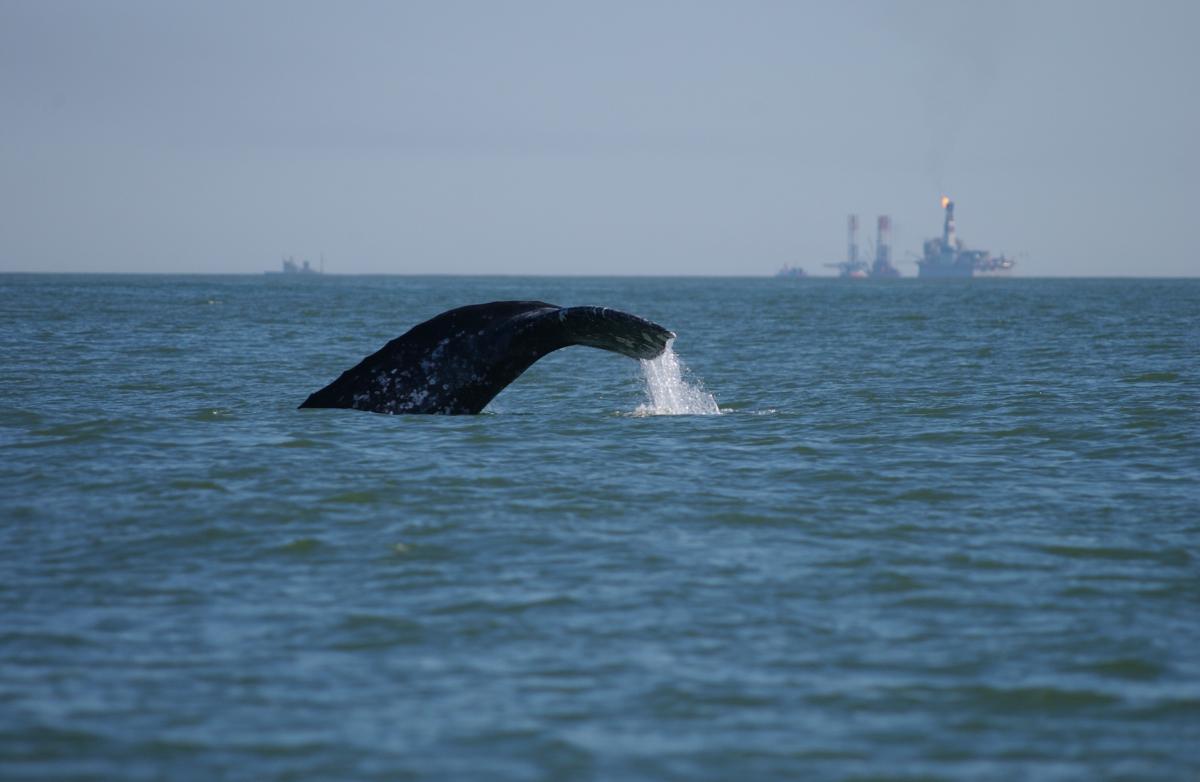
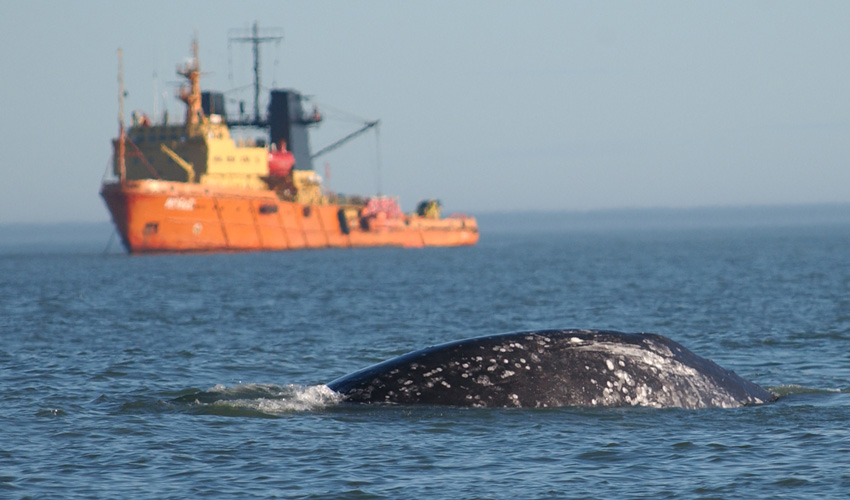
On 14 July 2005, Independent Scientific Review Panel member Rick Steiner sent an urgent appeal directly to Royal Dutch Shell chief executive Jeroen van der Veer. The massive PA-B platform base was due to be towed to Sakhalin the following day. Steiner asked Shell to postpone it. He listed unresolved questions involving underwater noise, ship collisions, oil-spill preparedness, independent monitoring and the platform’s proximity to the feeding grounds of one of the world’s most endangered whale populations. Shell responded the next day. The tow-out went ahead. Six weeks later, Steiner resigned from the continuing scientific process.

Archive reference: SLF-2007-065
Collection: The Sakhalin Papers
Principal scientific record: IUCN Independent Scientific Review Panel report, 2005
Authenticated corporate record: The Shell Sustainability Report 2005
Contemporaneous correspondence: Rick Steiner to Jeroen van der Veer, 14 July 2005; Ian Craig, Sakhalin Energy, to Steiner, 15 July 2005; Steiner resignation email, 29 August 2005
Contemporaneous reporting: Reuters-era coverage collected in the archive; The Guardian/Observer, March–September 2005
Judicial context: Export Credits Guarantee Department v Friends of the Earth [2008] EWHC 638 (Admin)
Evidence standard: Steiner’s scientific concerns and personal assessments are attributed to him. Sakhalin Energy’s responses are attributed to the company. ISRP conclusions are distinguished from Steiner’s individual position. Neither the panel nor Steiner possessed regulatory authority to stop Sakhalin II. read more

*This website and sisters royaldutchshellgroup.com, shellnazihistory.com, royaldutchshell.website, johndonovan.website, shellnews.net, and shellwikipedia.com, are owned by John Donovan - more information here. There is also a Wikipedia segment, the Shell DPA Files, "Shell and the Spies", the Shell Leaks files, as well as books written and published by John Donovan - Kindle eBooks. Timeline of the Donovan Shell Feud. Toxic History of Royal Dutch Shell Group. Shell and the Donovans: The Full Media Record — 550+ Articles, 110 Books, 40 Years. *All created and supported by internet wizz, Nick Gill.