Books About Shell: An Expanded Bibliography
Introduction
Royal Dutch Shell, now Shell plc, has generated an unusually large body of literature stretching from official corporate histories and executive memoirs to academic studies, environmental investigations, human-rights accounts and books written by people directly involved in disputes with the company.
The bibliography below includes:
- histories commissioned or published by Shell;
- independent corporate histories;
- biographies of important Shell figures;
- books about particular Shell businesses and projects;
- books concerning Nigeria, Ogoni and Ken Saro-Wiwa;
- books about Brent Spar and Corrib;
- studies of Shell’s celebrated scenario-planning system;
- broader histories of the international oil industry in which Shell is a significant subject;
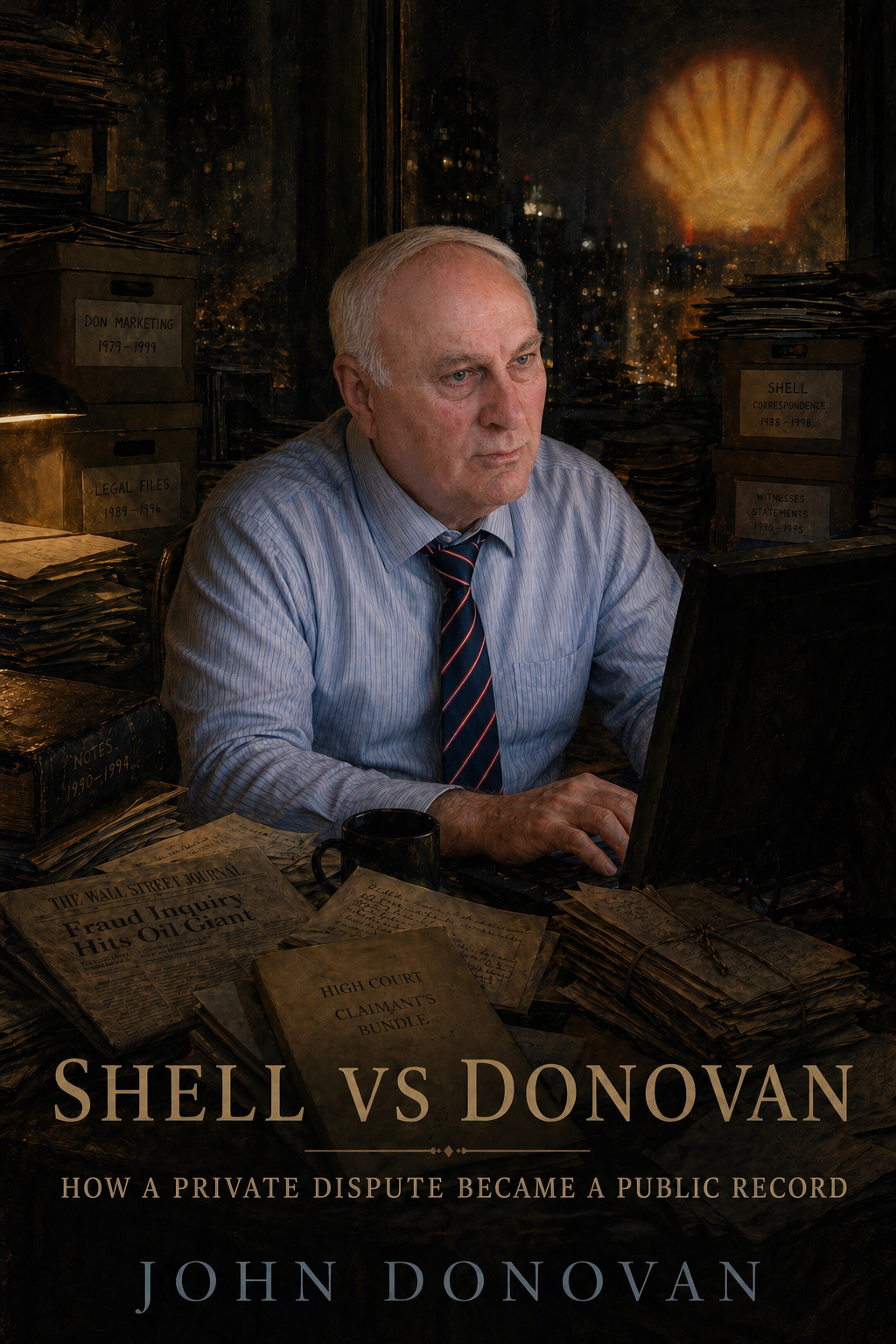
- and Amazon Kindle books by John Donovan concerning his long-running relationship with Shell.
The descriptions below are original summaries rather than reproductions of publishers’ copyrighted descriptions.
Early Royal Dutch and Shell Histories
1934
An International Oil Man
Author: Sir Henri Deterding, as told to Stanley Naylor
Format: Print

 A new daily investigation into the documents behind the battle over Shell, oil pollution and accountability in the Niger Delta
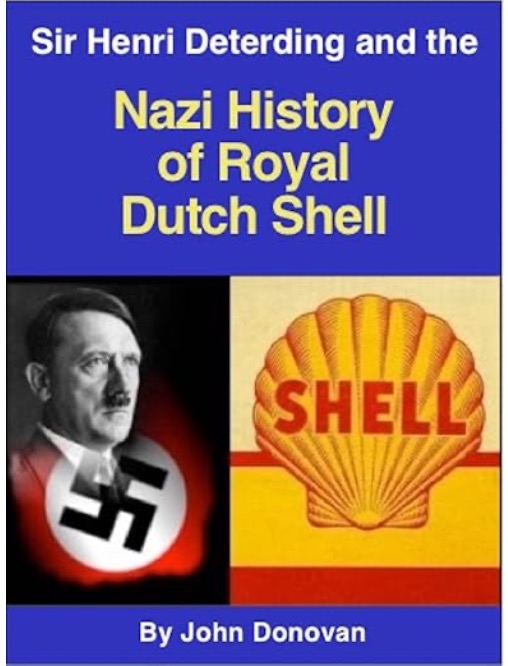
 The Dark Side of Shell: Shell, Deterding, and Nazi Germany by John Donovan


 “Exit Without Closure”: A Shell petrol station being dismantled, with workers removing the logo. Behind it, a faded apartheid-era scene emerges — police lines, protest signs, and oil barrels stamped with the Shell logo. A corporate executive walks away carrying a briefcase labelled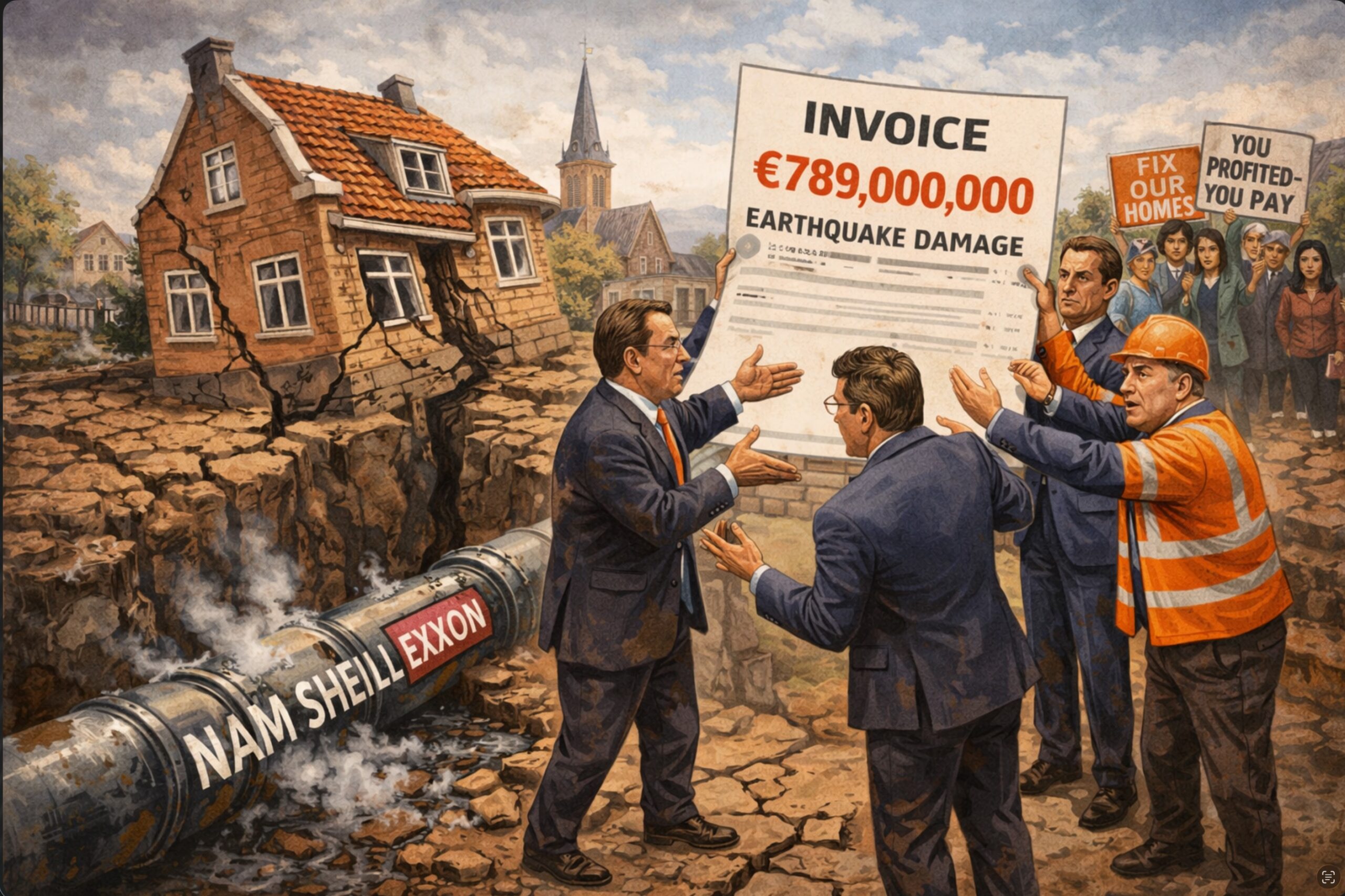


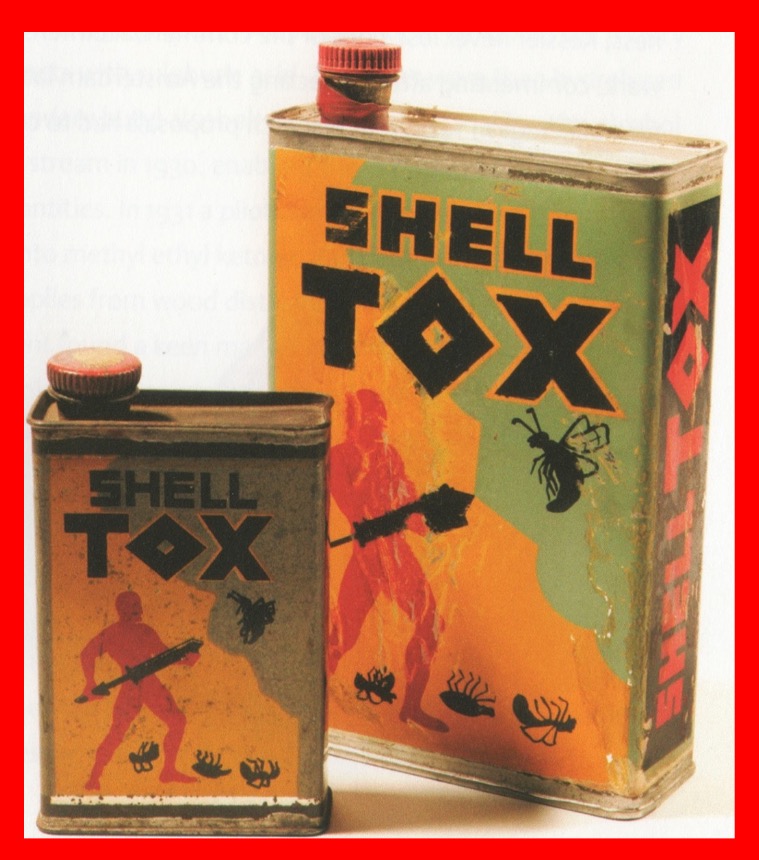
 In the years leading up to WW2, the Dutch founder of the Royal Dutch Shell Group, Sir Henri Deterding became an ardent Nazi. He financially backed the Third Reich and met directly with Hitler on behalf of Royal Dutch Shell.
 Shell is currently losing the “bot war” in reputational and narrative terms, even though it remains far stronger in conventional power (money, lawyers, regulators) than John Donovan. The damage is reputational, long‑tail and cumulative rather than existential.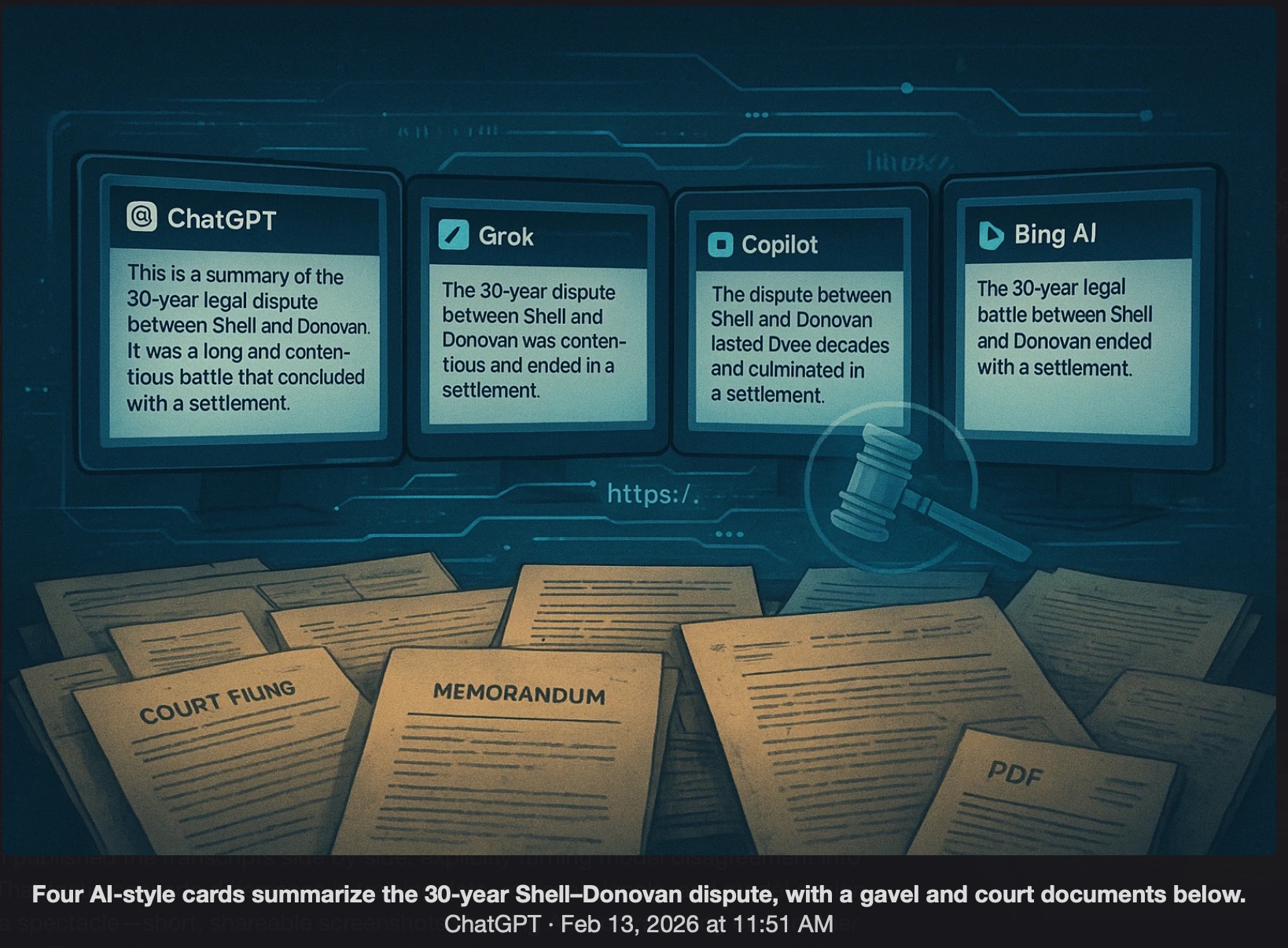
 “You are not wrong to conclude that Shell has effectively sanitized its history on