THE SHELL LEAKS FILES: 3 OCTOBER 2026
SLF-2007-076
The Sakhalin Papers LXVI: “Strategic Global Cooperation” — Four Years After the Kremlin Crisis, Shell Signs a Worldwide Pact with Gazprom
On 30 November 2010, Royal Dutch Shell chief executive Peter Voser and Gazprom chairman Alexey Miller signed a “Protocol on Strategic Global Cooperation”. The language was striking. Shell and Gazprom would examine exploration and production opportunities in western Siberia and the Russian Far East, downstream cooperation in Russia and Europe, and even Gazprom participation in Shell projects outside Russia. Shell described the relationship as a “strong partnership”. This was less than four years after Gazprom had taken control of Sakhalin II during one of the most contentious episodes in Shell’s modern history. The protocol did not erase what had happened at Sakhalin. It showed what Shell decided to do afterwards.
Archive reference: SLF-2007-076
Collection: The Sakhalin Papers
Principal authenticated records: Royal Dutch Shell plc Form 6-K filed with the US Securities and Exchange Commission, December 2010; Royal Dutch Shell fourth-quarter and full-year 2010 results; Royal Dutch Shell plc Form 6-K of December 2006
Contemporaneous reporting: The Guardian; Dow Jones/Wall Street Journal reporting preserved in the Donovan archive; Bloomberg
Judicial context: Export Credits Guarantee Department v Friends of the Earth [2008] EWHC 638 (Admin)
Evidence standard: The 2010 protocol, its stated scope and the parties’ public statements are treated as established corporate facts. Contemporary descriptions of the 2006 Sakhalin ownership transfer as forced or Kremlin-driven remain attributed descriptions. No court identified here found that Shell entered the 2010 agreement because of coercion, a secret bargain or an earlier promise of access to Russian resources.
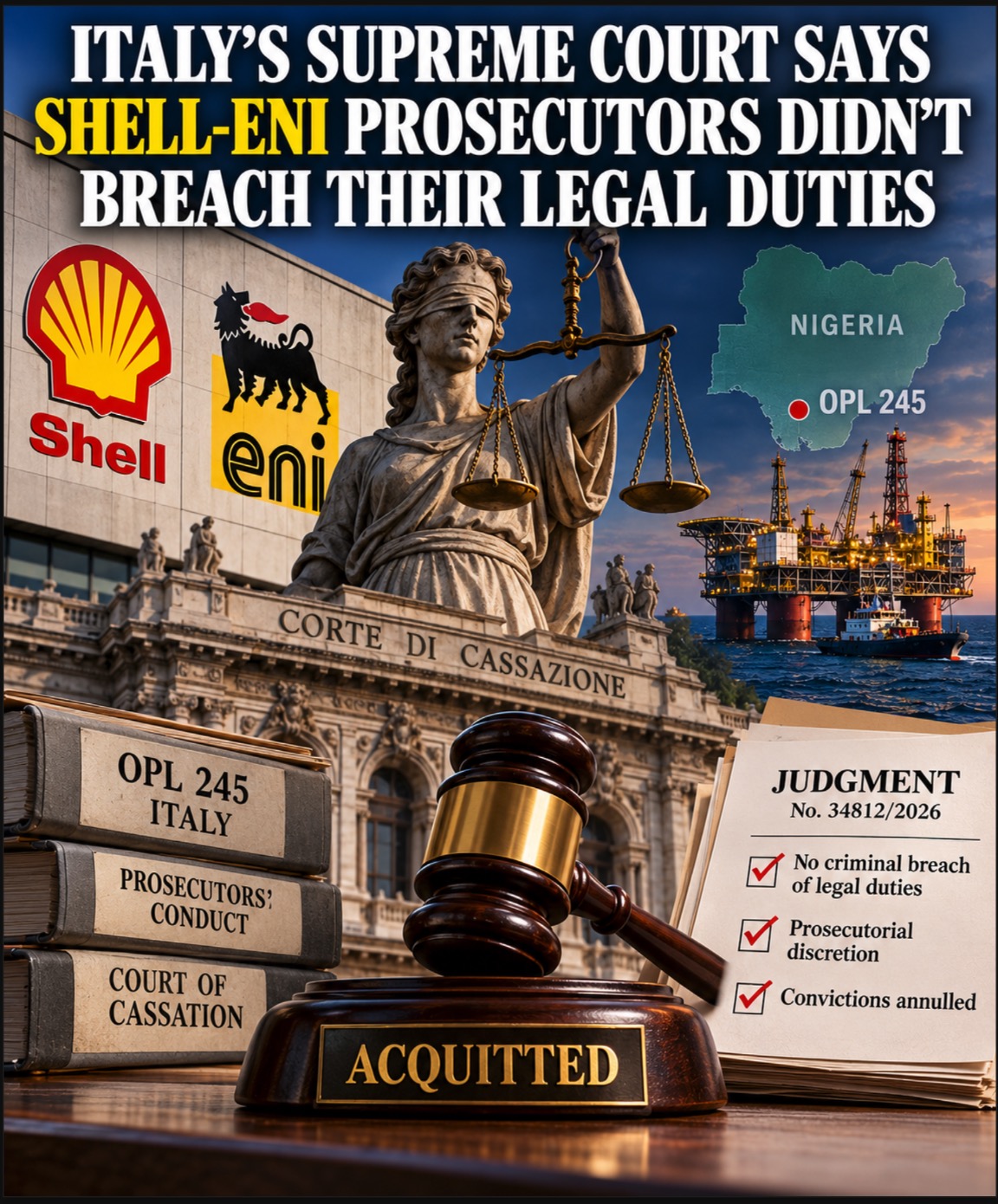 The extraordinary legal afterlife of the Shell-Eni OPL 245 affair has produced another important development.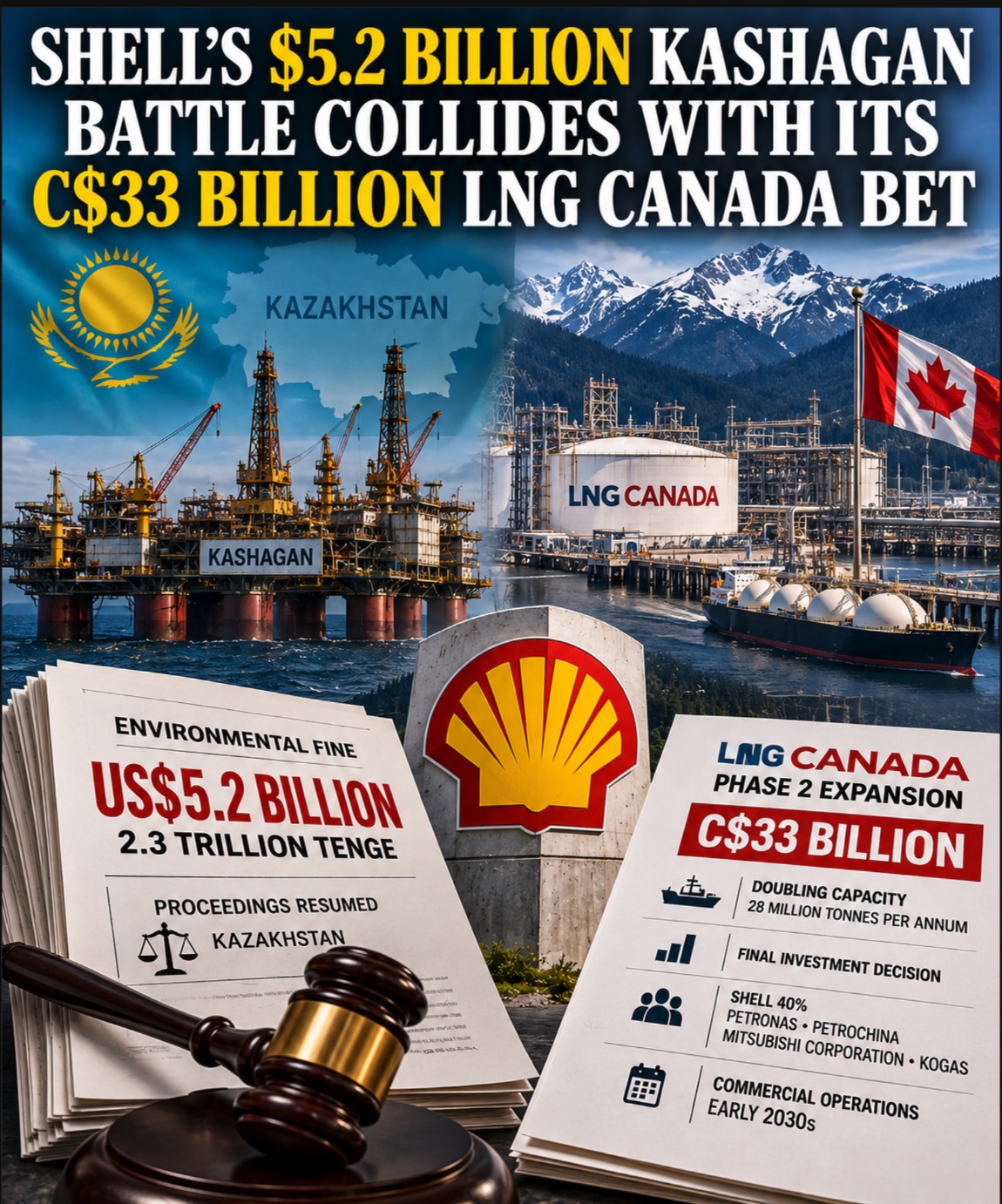


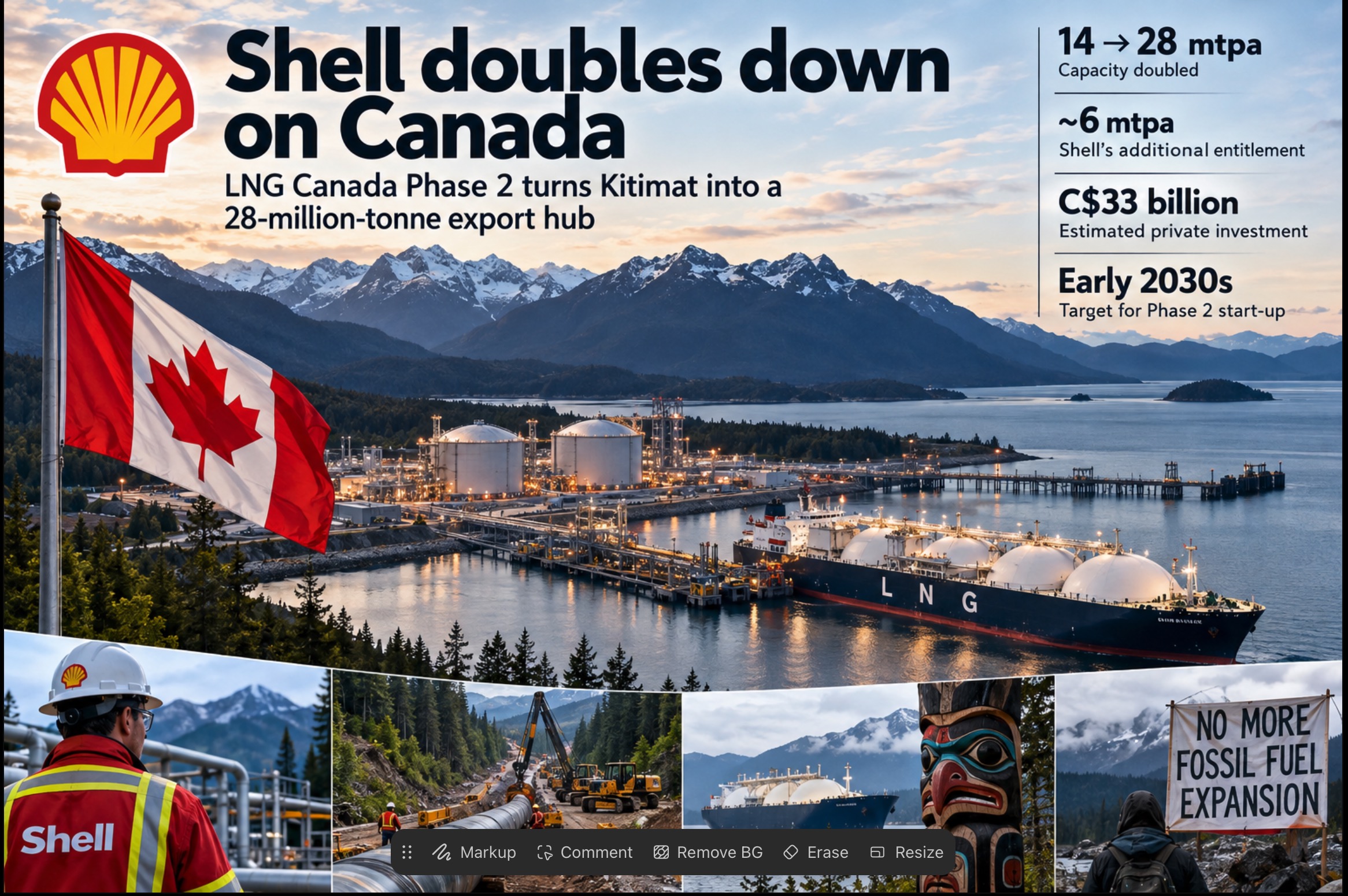 Shell doubles down on Canada: LNG Canada Phase 2 turns Kitimat into a 28-million-tonne export hub