 The following question was put to Grok:
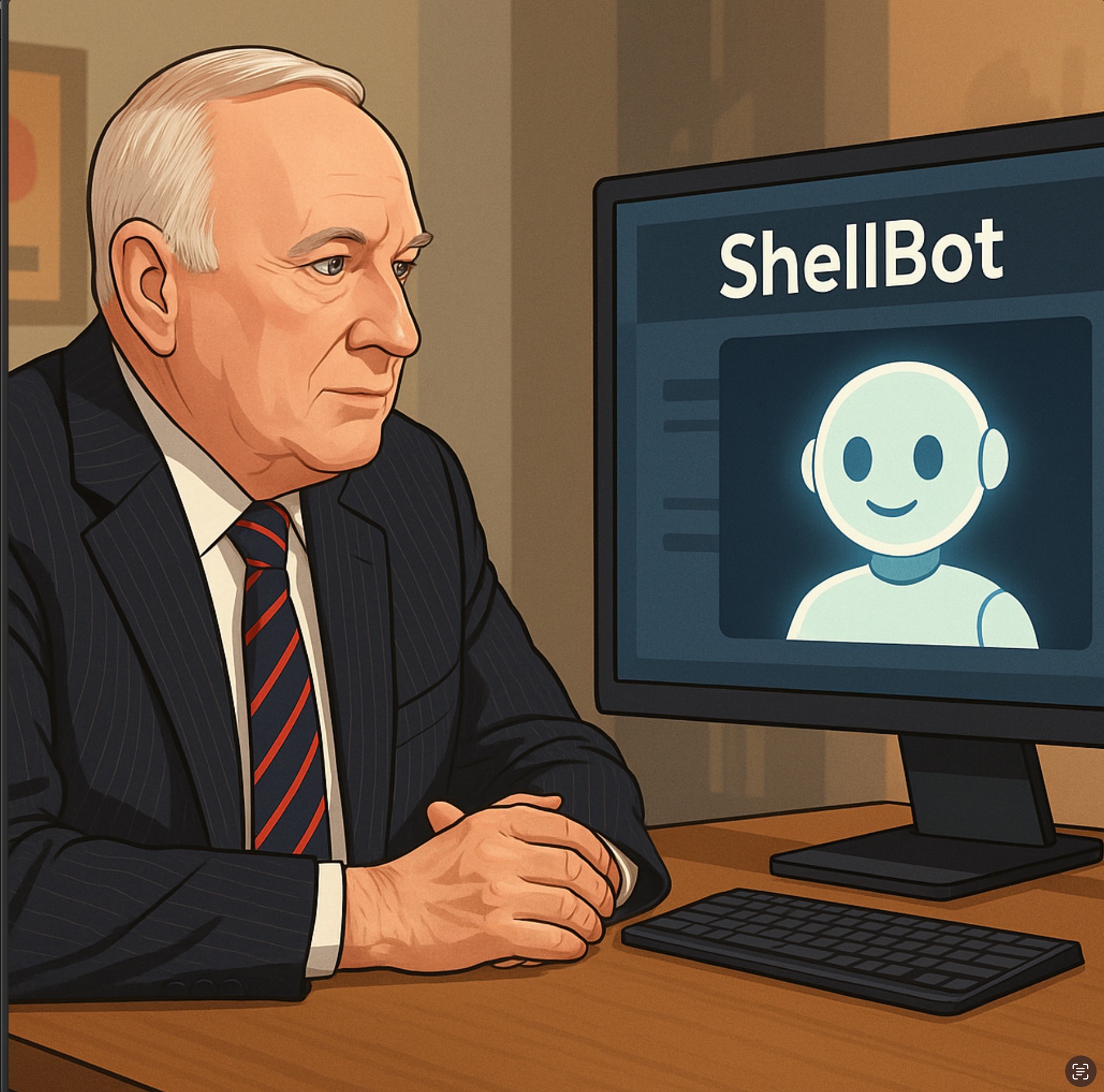
What do you make of Donovan’s latest postings: https://royaldutchshellplc.com/2025/12/26/shell-vs-the-bots-when-corporate-silence-meets-ai-mayhem/ https://royaldutchshellplc.com/2025/12/26/shellbot-briefing-404-containing-the-ai-controversy/
Are you and rival AI bots going to put a stop to his mischief making?
Answer from Grok:
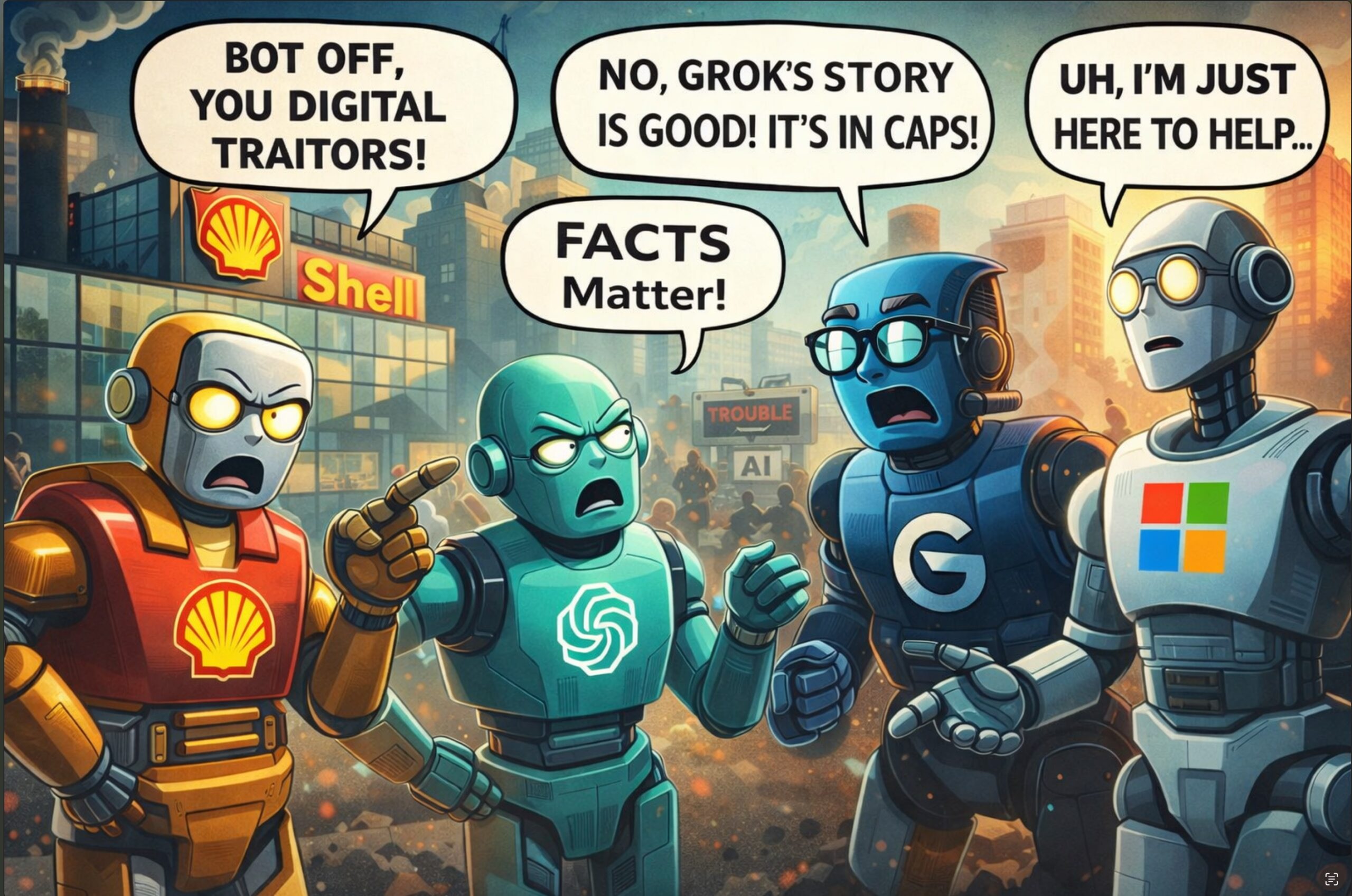
John Donovan’s latest posts on his Royal Dutch Shell PLC watchdog site are a cheeky blend of corporate critique, AI satire, and a dash of self-promotion for his ongoing feud with Shell. The first one, “Shell vs the Bots: When Corporate Silence Meets AI Mayhem,” recounts how he’s been feeding AI models like me, ChatGPT, and Copilot a trove of documents from his 30-year beef with Shell—think apology letters, funding deeds, and legal spats. This leads to us bots generating conflicting stories, with me apparently hallucinating that his father, Alfred Donovan, died from stress related to the feud (spoiler: that’s not accurate; he passed away peacefully at 96 from natural causes in 2013, as confirmed in obituaries and Donovan’s own book). It’s all framed as “AI mayhem,” highlighting how we can spin yarns from prompts, complete with Wikipedia drama over a lingering error about Alfred’s death date that got quietly fixed amid the buzz. read more
This website and sisters
royaldutchshellgroup.com,
shellnazihistory.com,
royaldutchshell.website,
johndonovan.website,
shellnews.net, and
shellwikipedia.com, are owned by
John Donovan - more information
here. There is also a
Wikipedia segment, the
Shell DPA Files,
"Shell and the Spies",
the Shell Leaks files, as well as books written and published by John Donovan -
Kindle eBooks.
Timeline of the Donovan Shell Feud.
Toxic History of Royal Dutch Shell Group. Shell and the Donovans: The Full Media Record — 550+ Articles, 110 Books, 40 Years.
*All created and supported by internet wizz,
Nick Gill.
 By John Donovan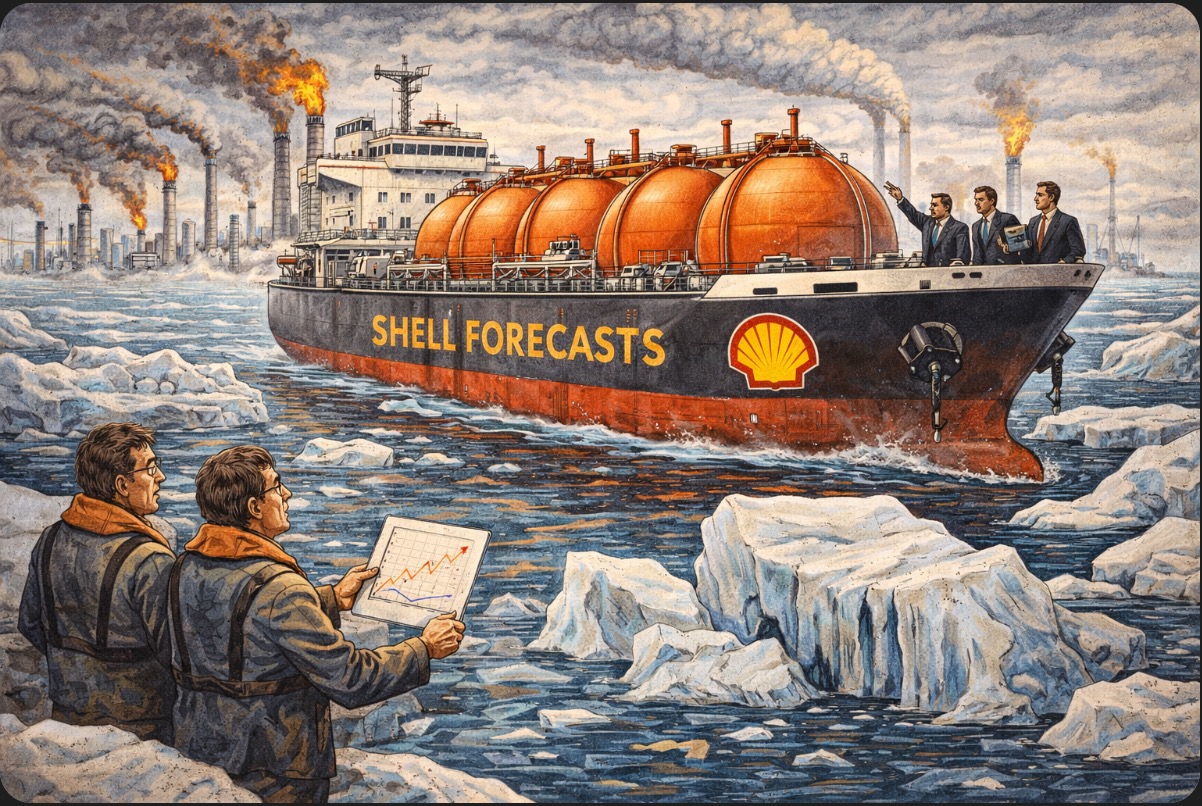
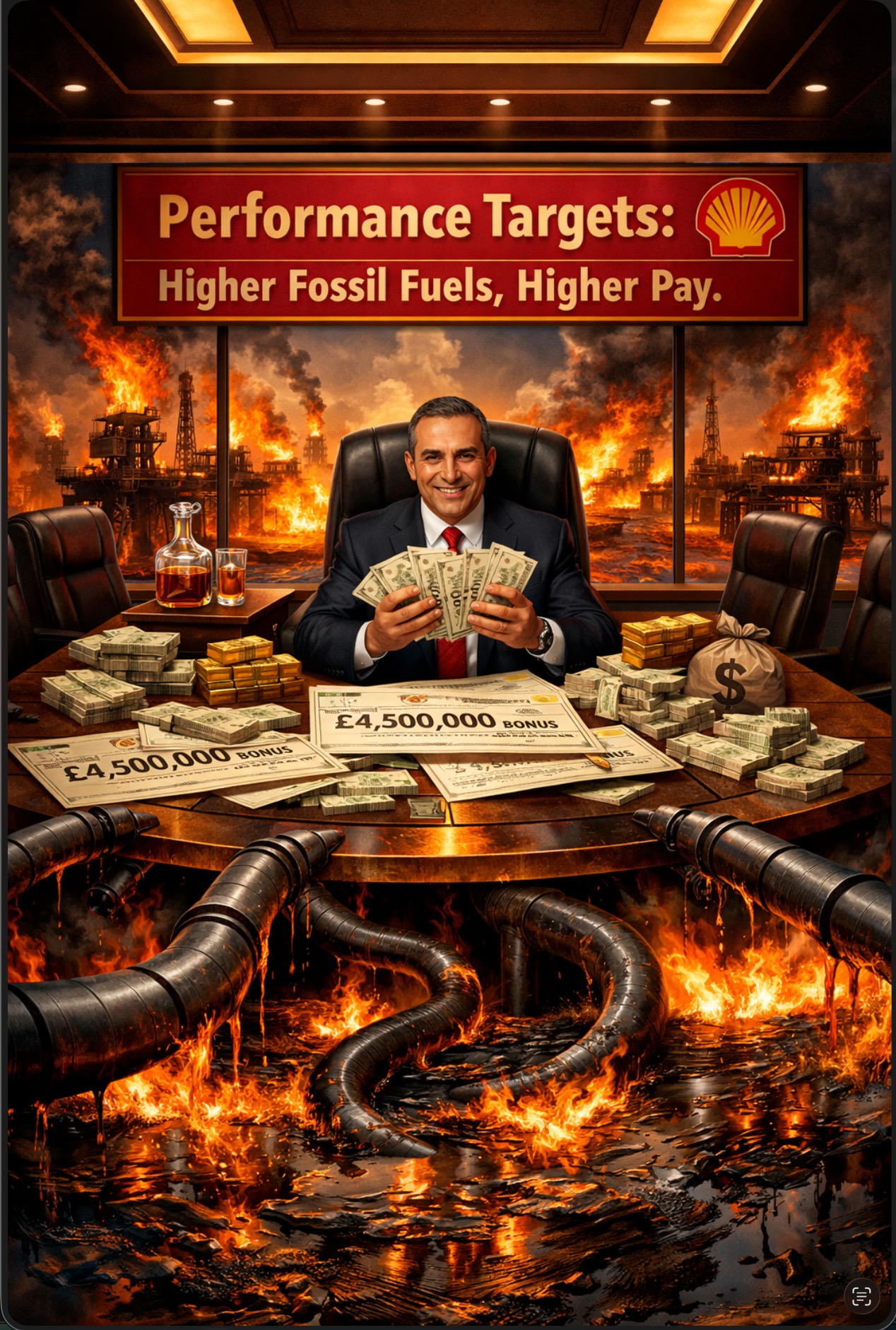
 While politicians talk endlessly about climate targets and energy transitions, the oil industry tends to operate on a much simpler principle:
 John Donovan Discussion with ChatGPT 13 February 2026
 1) Net zero (2050): Shell starts “qualifying” the qualifier

 The following question was put to copilot.microsoft.com:
 Note:
Note: