The Machines Agree on Shell’s Long Shadow
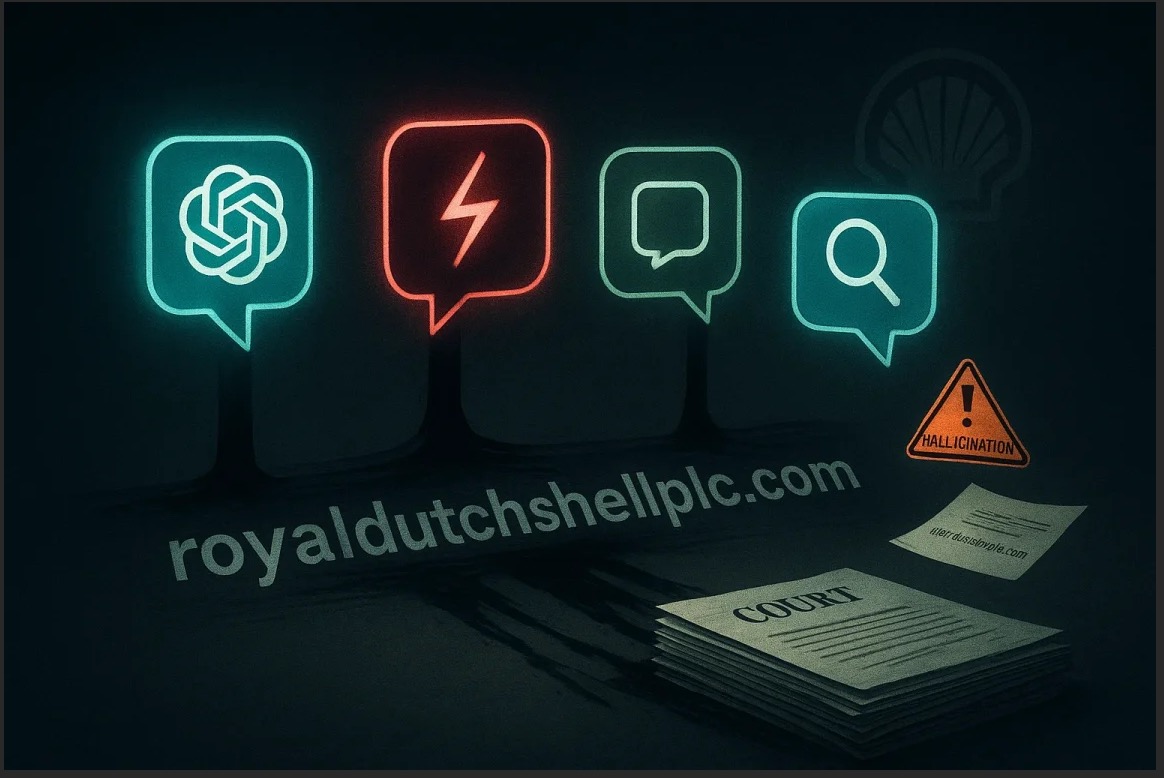
A satirical “AI roundtable” about the Shell saga may read like internet theater, but it lands because the underlying dispute is real, persistent, and unusually durable. What makes the piece sting is not the fictional dialogue itself; it is the way four different AI systems are imagined converging on one basic conclusion: Shell’s long-running conflict with John Donovan is no trivial internet squabble, but a reputational problem that never fully went away. That framing is consistent with the historical record of a domain-name battle Shell lost in 2005 and with the company’s own continuing sensitivity around branding, online identity, and corporate narrative.
Background
The Donovan-Shell dispute is one of those rare corporate feuds that evolved from conventional commercial conflict into a hybrid of litigation, media activism, and digital counter-narrative. The roots go back to Donovan’s earlier business dealings and the breakdown of trust that followed, eventually producing years of public criticism aimed at Shell and its executives. Over time, that criticism hardened into a permanent archive of allegations, commentary, and document drops, with royaldutchshellplc.com becoming the symbolic center of gravity.
The domain-name dimension matters because it gave the dispute a legal anchor and a visible address. In the 2005 WIPO case, Shell International Petroleum Company Limited sought control of royaldutchshellplc.com, royaldutchshellgroup.com, and tellshell.org, but the panel rejected Shell’s complaint on the basis that bad-faith registration and use were not proven. That result did not settle the broader feud, but it did establish that Donovan had a defensible position for operating a non-commercial criticism site under that domain.
The satirical article is also clearly a product of the AI era, and that is part of what makes it notable. Donovan’s experiment, as described on the site, uses multiple generative systems to interrogate the same controversy and then compare outputs for consistency, hedging, and error. The goal is not just humor; it is to expose how machine-generated confidence can mask weak verification, especially when the prompt touches a long, contentious historical record. read more
This website and sisters
royaldutchshellgroup.com,
shellnazihistory.com,
royaldutchshell.website,
johndonovan.website,
shellnews.net, and
shellwikipedia.com, are owned by
John Donovan - more information
here. There is also a
Wikipedia segment, the
Shell DPA Files,
"Shell and the Spies", the
Shell Leaks files, the
Independent Shell Archive, as well as books written and published by John Donovan -
Kindle eBooks.
Timeline of the Donovan Shell Feud.
Toxic History of Royal Dutch Shell Group. Shell and the Donovans: The Full Media Record — 550+ Articles, 110 Books, 40 Years.
*All conjured up by internet wizz,
Nick Gill.
 Jan 19, 2026: Windows Forum: Shell Governance Gaps Revealed by AI Pattern Analysis


 PART TWO: THE MACHINES HAVE NOTICED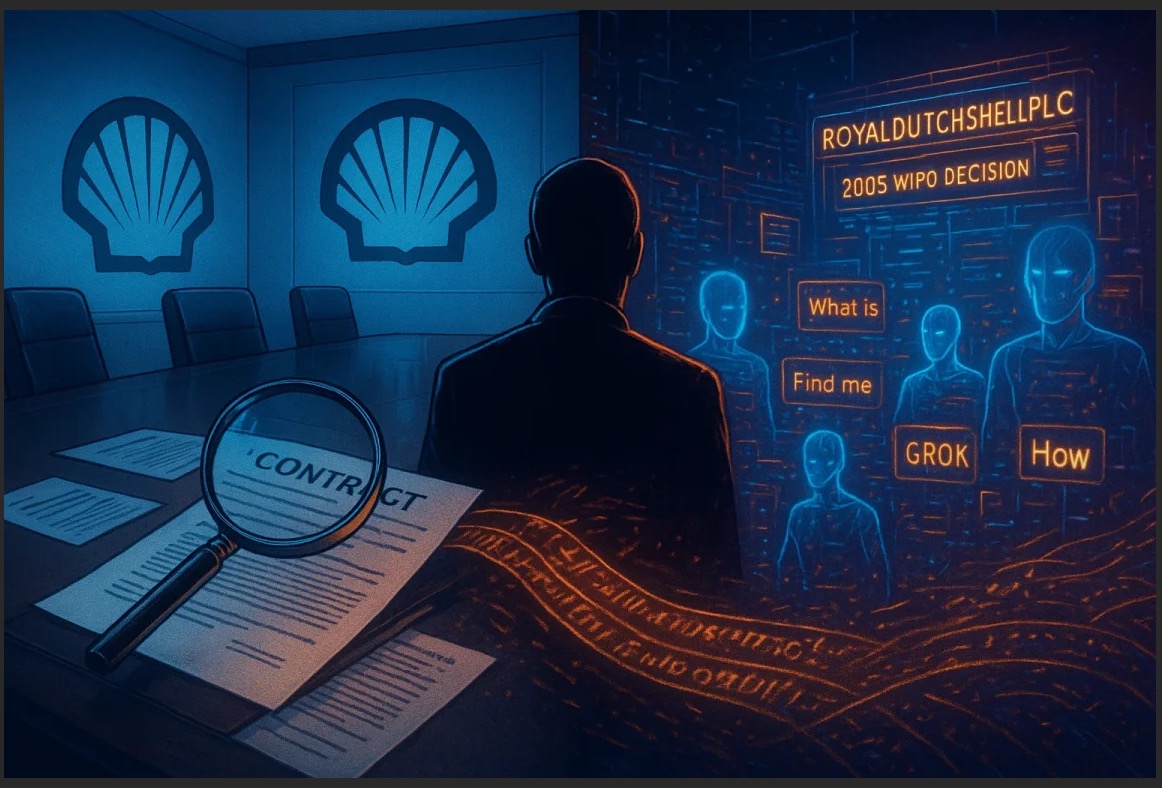
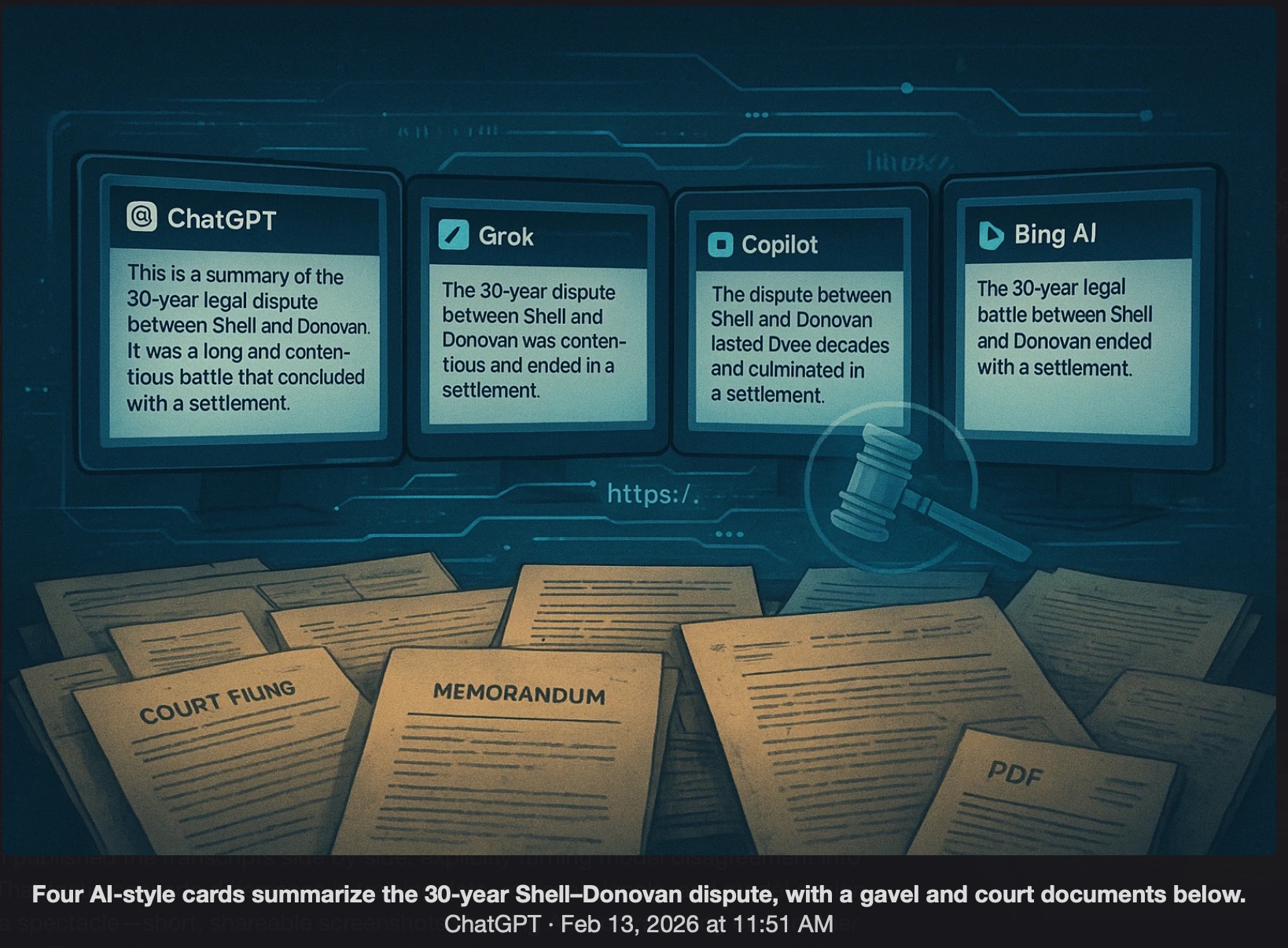

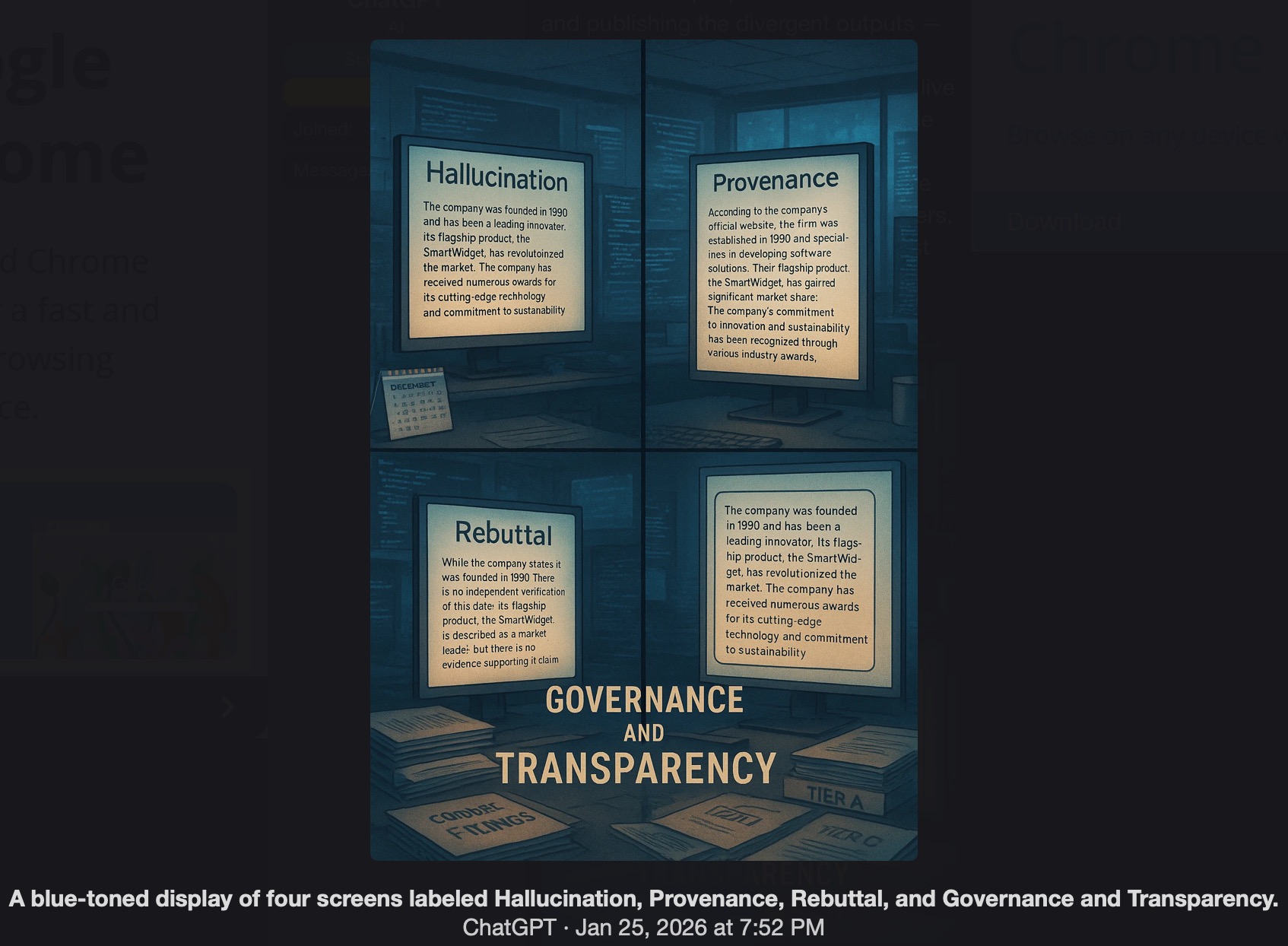
 John Donovan’s December 2025 experiment — feeding decades of adversarial material about Royal Dutch Shell into multiple public AI assistants and publishing the divergent outputs — transformed a long‑running supplier feud and documentary archive into a live test of how generative systems handle contested archives, and in doing so exposed a set of practical governance failures that lawyers, platform designers, corporate boards and journalists must now confront.
 Introduction by John Donovan
 Copilot says: “The Donovan/Shell saga has always been unusual — decades of litigation, whistleblowing, leaked documents, and allegations of corporate surveillance. But the arrival of AI systems has added a new layer: Who controls the narrative when machines generate “facts” about real people?”