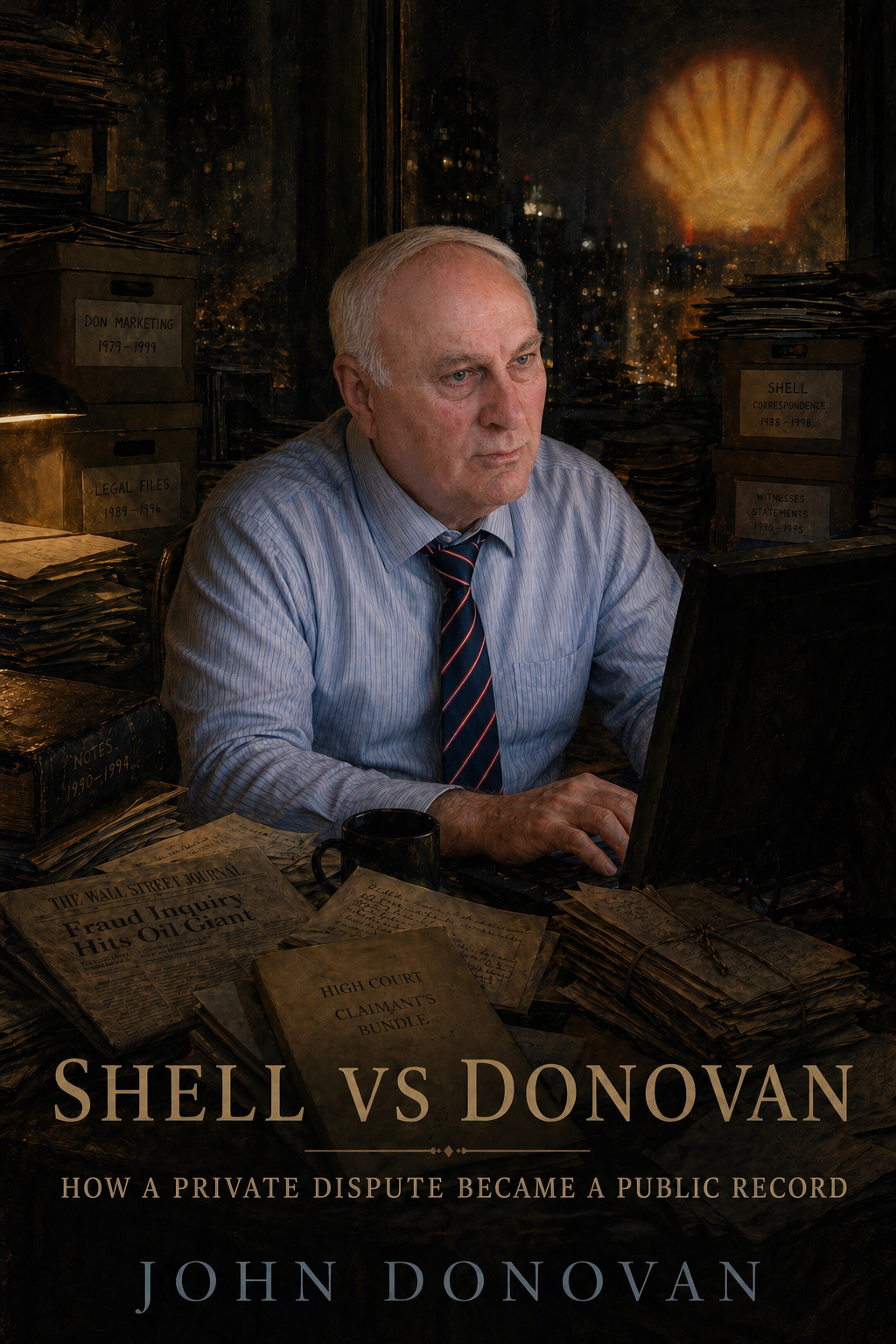
One of the world’s largest oil companies spent years trying not to look obsessed with a father-and-son website in Essex, while quietly producing internal briefings, issue notes, legal warnings, media lines, Wikipedia strategies, security chatter, source-hunting discussions and reputation-management scripts about exactly that father-and-son website.
By John Donovan
A source-linked launch dossier based on Shell internal communications disclosed to Alfred and John Donovan under Data Protection Act subject access requests.
Primary source archive: Royal Dutch Shell Secrets – DPA 2009 Index Page.
Companion research register: The Shell DPA Files: Evidence Register. (Last segment in this article.)
Editor’s Note On The Evidence
This article is based on Shell internal emails, issue briefs, media-monitoring notes, legal correspondence and related documents published in the ShellNews.net DPA archive. The archive states that the material was obtained from Shell in December 2009, March 2010 and April 2011 after Subject Access Request applications under the UK Data Protection Act by Alfred and John Donovan.
 PART TWO: THE MACHINES HAVE NOTICED
 Question to Google AI Mode 6 Feb 2026: What can you tell me about the innovative use of AI by John Donovan in the Donovan Shell feud? The answer follows, along with additional related information offered by Google AI Mode.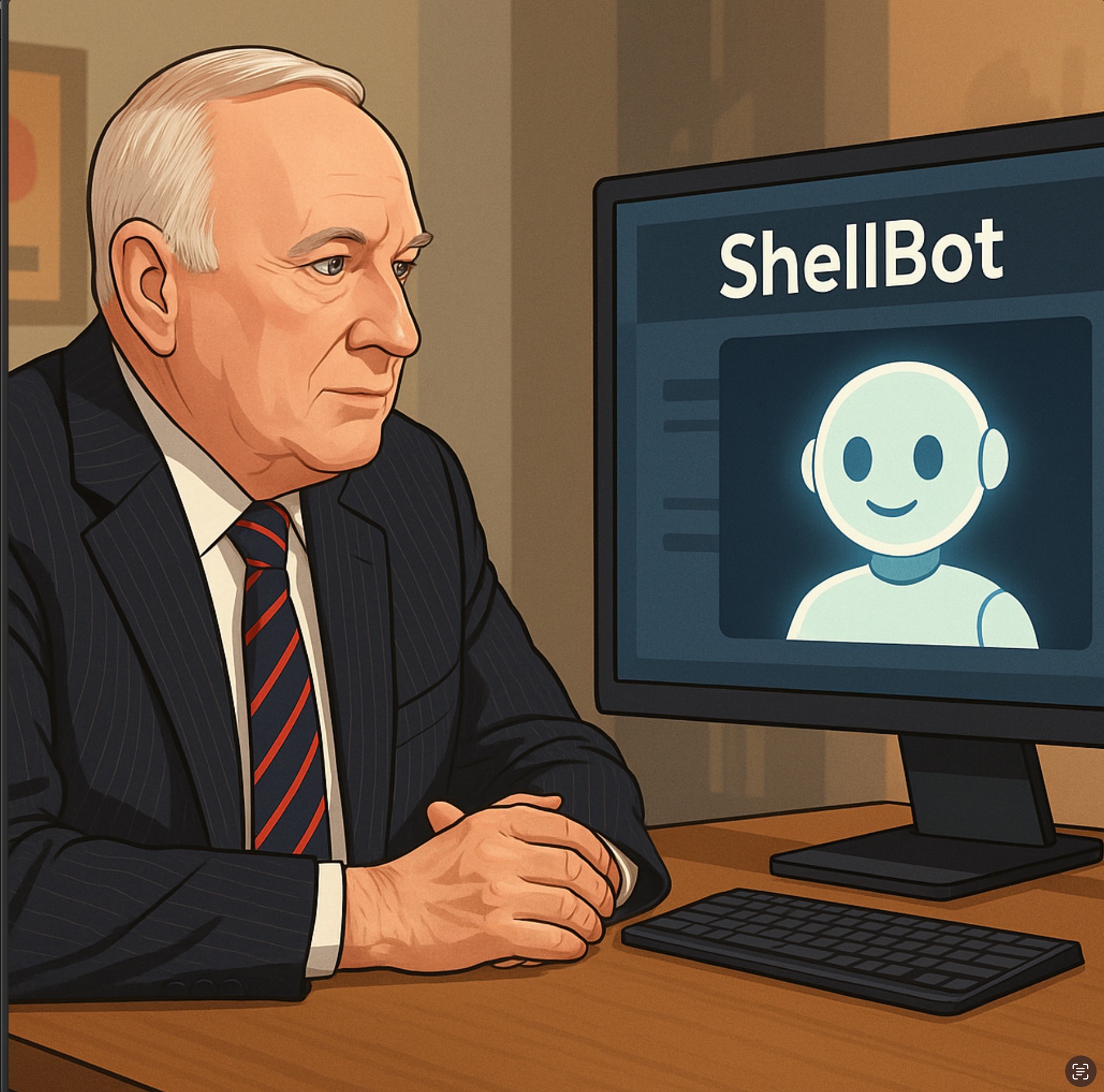
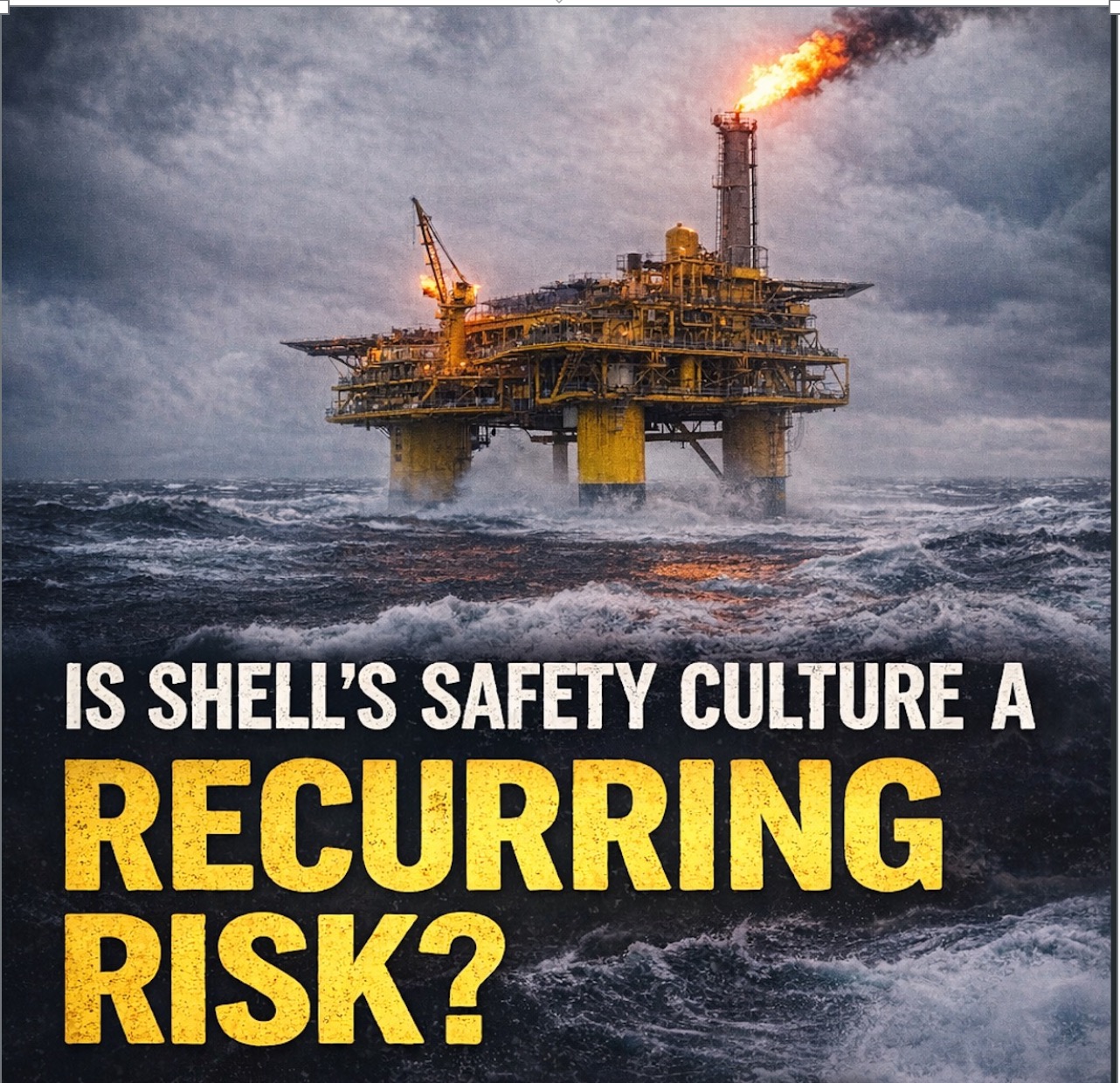
 Global Witness has published a serious press release about Shell, Equinor and their new North Sea joint venture, Adura. This is the ShellBot version — same documents, different tone.


 UPDATED 6 Sept 2025