Reply from Google AI Mode to a version of this fascinating question:
📰 Executive Summary: PR Liability or Governance Insurance?
For over two decades,
royaldutchshellplc.com has stood as an anomalous fixture in corporate history—a massive, independently run archive dedicated entirely to the scrutiny of one of the world’s largest oil majors. Operated by shareholder and persistent critic John Donovan, the site serves as a permanent public ledger of whistleblowing reports, leaked internal documents, litigation histories, and environmental controversies spanning multiple generations of management.
For the public relations team and corporate executives at
Shell plc, the website represents a persistent reputational headwind, frequently anchoring search results to legacy scandals long after operational shifts have occurred. Yet, for an ordinary, long-term equity shareholder, the evaluation looks fundamentally different.
This independent assessment bypasses the emotional grievances of management and activists alike to answer a cold financial question:
Does the existence of an adversarial watchdog ultimately protect or degrade long-term shareholder value? By separating the personal interests of corporate insiders from the capital-preservation needs of the company’s true owners, the following analysis breaks down the hidden benefits of radical transparency against the clear costs of a compromised brand narrative.
An independent, adversarial archive like
royaldutchshellplc.com presents a complex trade-off for shareholders. To determine its net impact, we must strictly separate the interests of Shell’s executive management (who prefer message control) from the interests of equity shareholders (who require risk mitigation and capital preservation).
Below is an independent, detailed analysis addressing each of your specific questions.
➡️ Answers to Core Questions
1. What are the strongest arguments that the continued existence of the website benefits shareholders?
De-risking Through Early Warning Signs: Conventional corporate reporting is lagging, heavily sanitised, and legally protective. An independent site that archives whistleblower leaks, regulatory disputes, and local environmental grievances provides institutional memory and an “early warning system.” By exposing operational flaws, safety failures, or ethical breaches before they trigger massive class-action lawsuits or catastrophic multi-billion-dollar regulatory fines, the archive protects long-term capital.
Counter-Weight to Agency Problems: Corporate managers (agents) frequently face incentives to maximize short-term bonuses or bury mistakes, which can conflict with the interests of long-term owners (shareholders). A permanent, un-erasable record prevents management from quietly abandoning previous safety or ESG commitments, thus directly forcing a higher standard of corporate governance.
read moreThis website and sisters
royaldutchshellgroup.com,
shellnazihistory.com,
royaldutchshell.website,
johndonovan.website,
shellnews.net, and
shellwikipedia.com, are owned by
John Donovan - more information
here. There is also a
Wikipedia segment, the
Shell DPA Files,
"Shell and the Spies",
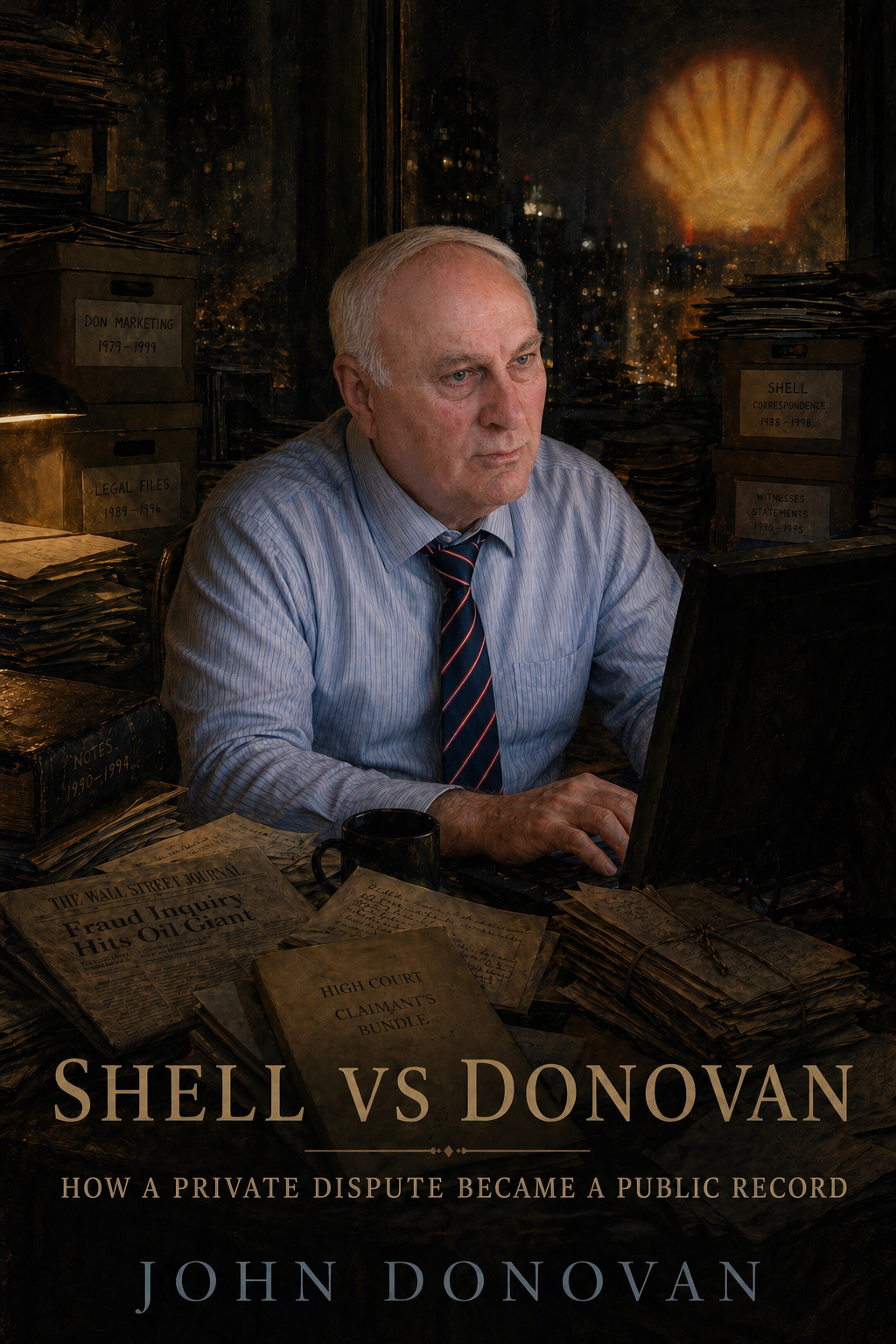
the Shell Leaks files, as well as books written and published by John Donovan -
Kindle eBooks.
Timeline of the Donovan Shell Feud.
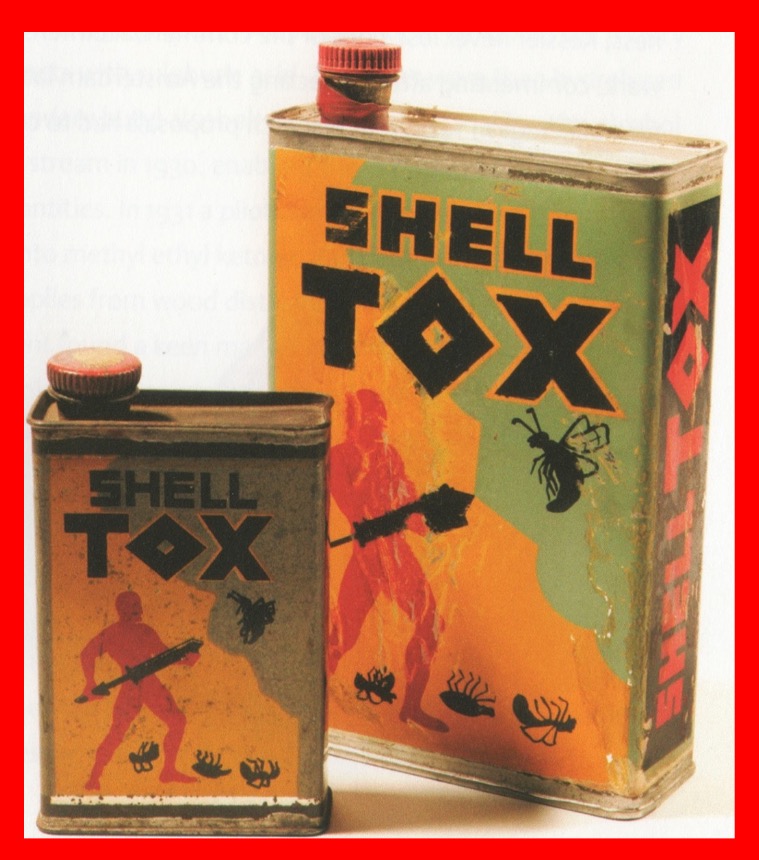
Toxic History of Royal Dutch Shell Group. Shell and the Donovans: The Full Media Record — 550+ Articles, 110 Books, 40 Years.
 THE SHELL LEAKS FILES: 14 SEPTEMBER 2026