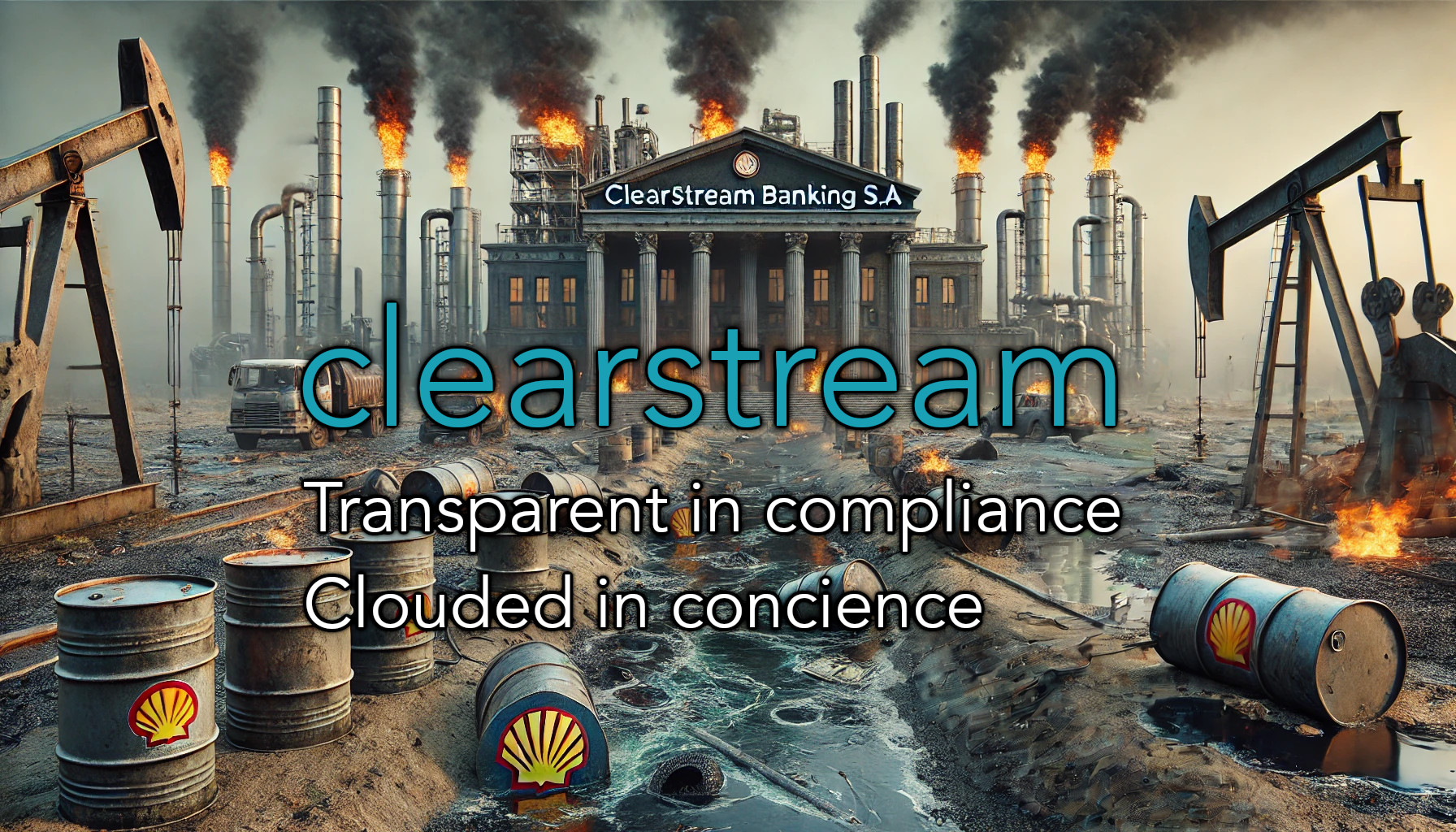

Shell once promised its $14 billion petrochemical plant in Monaca, Pennsylvania would transform Beaver County into a growth engine. The reality? An economic lemon wrapped in a PR puff piece.
The Hype Machine
In local press, Shell amplified claims that Beaver County’s population was rebounding thanks to its shiny new “cracker” plant. Trouble is, those claims came from cherry-picked data with “no statistical reliability”, according to Times Online.
The truth: Beaver County has lost 9% of its residents since 1980. Shell’s arrival hasn’t changed the trend. What has grown? Plastic pellets, truck traffic, and community scepticism.
The Financial Meltdown
The Institute for Energy Economics and Financial Analysis (IEEFA) lays it bare:
-
The Monaca plant’s construction costs doubled to $14 billion.
-
Shell’s chemical revenue collapsed 43% between 2021 and 2024.
-
Oversupply, weak demand, and shrinking margins mean the facility is now a drag on Shell’s financials.
IEEFA’s Todd Leahy didn’t mince words:
“The project’s underperformance, combined with deteriorating market dynamics and structural challenges in the global petrochemical industry, raise serious questions about the project’s long-term viability.” (IEEFA)
Translation: Shell built a palace for plastics just as the party ended.
WTF Shell?
-
They promised jobs, delivered smog.
-
They promised growth, delivered debt.
-
They promised transformation, delivered—wait for it—a 43% revenue collapse in chemicals.
Even BlackRock and Vanguard, Shell’s biggest investors, must be wondering: how do you square ESG rhetoric with a $14 billion petrochemical albatross in western Pennsylvania?
The Bigger Picture
The Monaca fiasco isn’t isolated—it’s symptomatic: Shell doubling down on dying sectors while dressing up the narrative as “transition.” A PR spin here, a population chart there, all while the market fundamentals scream decline.
Beaver County deserves better than to be Shell’s “plastic boomtown” experiment. Instead, they’ve been handed pollution, false promises, and a facility economists are already calling structurally unviable.
Disclaimer
Warning: satire ahead. The criticisms are pointed, the humour intentional, and the facts stubbornly real. Quotes are reproduced word-for-word from trusted sources. As for authorship—John Donovan and AI both claim credit, but the jury’s still out on who was really in charge.
This website and sisters royaldutchshellgroup.com, shellnazihistory.com, royaldutchshell.website, johndonovan.website, shellnews.net, and shellwikipedia.com, are owned by John Donovan. There is also a Wikipedia segment.

 EBOOK TITLE: “SIR HENRI DETERDING AND THE NAZI HISTORY OF ROYAL DUTCH SHELL” – AVAILABLE ON AMAZON
 EBOOK TITLE: “JOHN DONOVAN, SHELL’S NIGHTMARE: MY EPIC FEUD WITH THE UNSCRUPULOUS OIL GIANT ROYAL DUTCH SHELL” – AVAILABLE ON AMAZON.
 EBOOK TITLE: “TOXIC FACTS ABOUT SHELL REMOVED FROM WIKIPEDIA: HOW SHELL BECAME THE MOST HATED BRAND IN THE WORLD” – AVAILABLE ON AMAZON.





