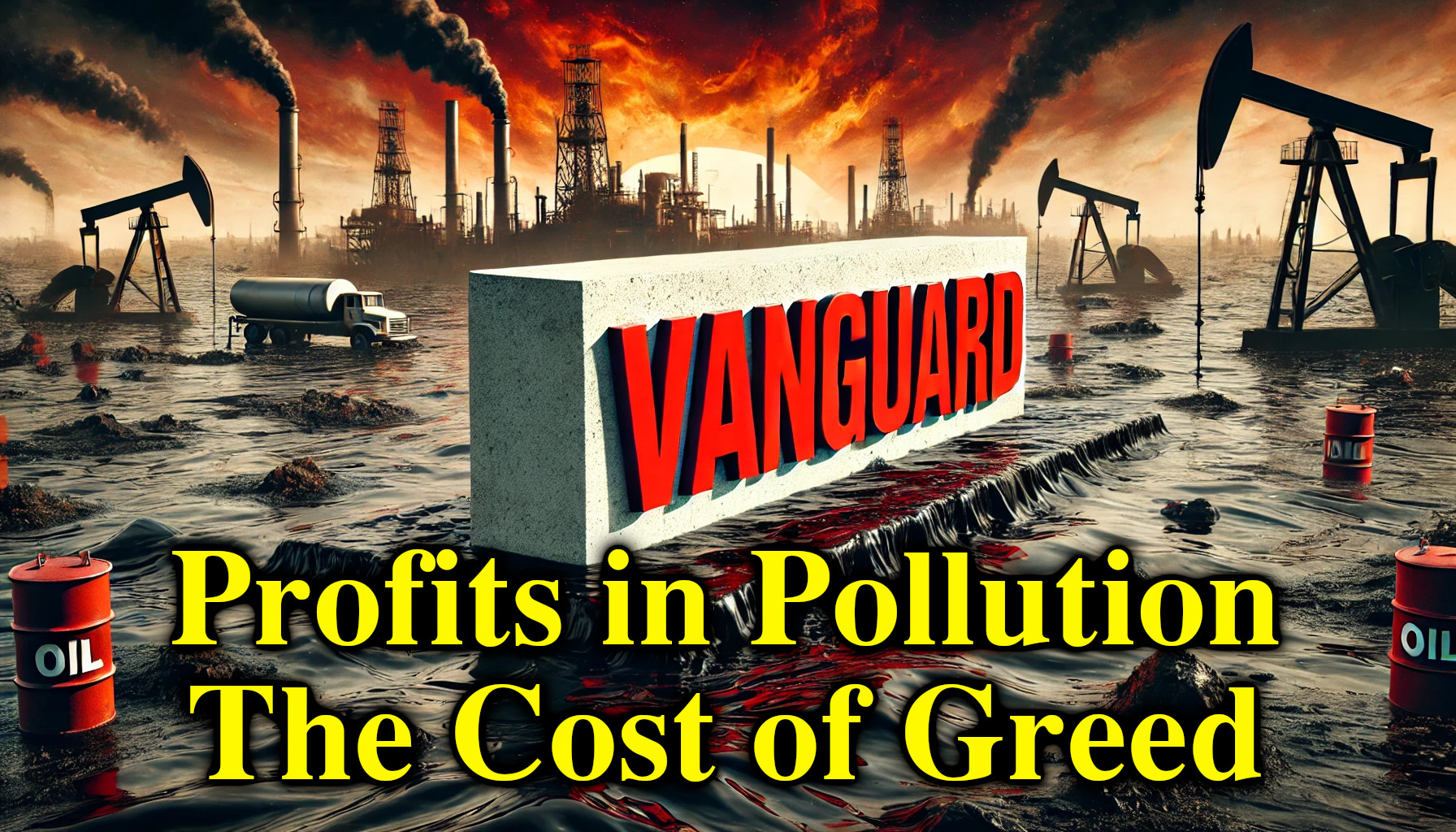

Because nothing says “energy transition” like carcinogenic smoke and zombie-apocalypse vibes
BEAVER COUNTY, PENNSYLVANIA — In yet another dazzling display of corporate responsibility, Shell decided to treat western Pennsylvania residents to several nights of unannounced fireworks—minus the fun and with a strong hint of benzene.
On April 25, the company’s shining jewel of petrochemical progress—the $6 billion Shell ethane cracker plant—began flaring excess gas with all the subtlety of a burning oil rig. The event lasted several days, lighting up the skies, rattling nerves, and sending a bouquet of volatile organic compounds wafting across the region. Residents described scenes straight out of a dystopian Netflix original.
“I opened my back door and it was like a zombie apocalypse had hit the Earth,”
— Hilary Starcher-O’Toole, executive director of the Beaver County Marcellus Awareness Community
Ah, yes. The sweet smell of economic revitalisation.
Shell, in its trademark tone-deaf style, called the inferno a “maintenance-related safety event.” One imagines the boardroom meeting: “If we call it ‘safety,’ maybe no one will notice the carcinogens.”
Unfortunately for Shell, the Pennsylvania Department of Environmental Protection did notice—and issued a violation citing excessive emissions and visible air pollution. A shocker, considering Shell’s usual emissions are so elegantly invisible.
Meanwhile, air monitors showed elevated levels of toxins throughout April—though you’d have to scroll through Shell’s Instagram comments to find out. Public communication came late, limited, and as fragrant as the chemical stew in the air. Residents in Aliquippa and Beaver Falls reported everything from acrid smells and noise to nausea and respiratory problems. But hey—jobs, right?
This cracker plant, we’re told, is the future: a petrochemical Renaissance on the Ohio River. Shell’s promotional materials speak of “sustainability,” “innovation,” and other words the legal department insists on. But when your business model relies on turning fracked gas into plastic and torching pollutants into the stratosphere, the only thing you’re cracking is public trust.
And Let’s Not Forget the Enablers
You don’t build an environmental horror-show this large without the backing of some of capitalism’s finest suits. BlackRock, Shell’s ever-faithful investor, continues to fund this apocalyptic light show with all the due diligence of a slot machine junkie. Because when it comes to investing in Shell, there’s no sin too dirty for the dividend.
Let’s be clear: flaring isn’t an accident—it’s a design feature. It’s how you offload gases when storage or processing is too expensive, or your systems are overwhelmed. It releases carbon monoxide, nitrogen and sulfur oxides, and yes—benzene, a known carcinogen. All this in a county already burdened with industrial pollution, poor air quality, and fragile infrastructure.
But no worries—Shell assures us that “collaboration” is key to a cleaner future. A future where the air might occasionally ignite, but with stakeholder consensus.
What’s Next?
Shell’s night of fire may be over (for now), but the story is just heating up. The company faces ongoing scrutiny as it prepares to ramp up full-scale operations. Meanwhile, residents are left watching the skies—and the markets.
Because at Shell, it’s not about people, or climate, or truth. It’s about barrels, bonuses, and business as usual. Just ask the investors.

 EBOOK TITLE: “SIR HENRI DETERDING AND THE NAZI HISTORY OF ROYAL DUTCH SHELL” – AVAILABLE ON AMAZON
 EBOOK TITLE: “JOHN DONOVAN, SHELL’S NIGHTMARE: MY EPIC FEUD WITH THE UNSCRUPULOUS OIL GIANT ROYAL DUTCH SHELL” – AVAILABLE ON AMAZON.
 EBOOK TITLE: “TOXIC FACTS ABOUT SHELL REMOVED FROM WIKIPEDIA: HOW SHELL BECAME THE MOST HATED BRAND IN THE WORLD” – AVAILABLE ON AMAZON.





