 NAM, of course, is the joint venture of Shell and ExxonMobil that milked Groningen for decades.
The Dutch caretaker cabinet has pushed a new Groningen Law through to Parliament that promises faster payouts for quake-damaged homes — and a lighter legal load for the polluters who helped cause the mess. As NL Times reports: “The Caretaker Dutch cabinet has submitted the Groningen Law, which finalizes compensation for damages caused by gas extraction, to the Tweede Kamer, despite strong criticism from the Council of State.”
The bill would guarantee compensation up to €60,000 even without proof that gas extraction caused the damage — tidy for homeowners in a hurry, also tidy for corporate defendants who prefer fewer courtroom surprises.
The Council of State’s warning is the headline within the headline: this could create “unequal outcomes for cases already settled” and complicate efforts to hold gas company NAM financially responsible. NAM, of course, is the joint venture of Shell and ExxonMobil that milked Groningen for decades. The cabinet also wants to lock in billions of euros of recovery money for 30 years, which the Council of State says limits Parliament’s budgetary authority. Translation: politics tied up, liability haze intact.
Remember why we’re here: the parliamentary inquiry found the Dutch state and companies “consistently prioritized the economic benefits of gas extraction over the safety of residents,” creating a “moral debt” to Groningen. The government now promises a “kinder, more humane and simpler” scheme and regional investment — a good start, two years late and many cracked foundations short.
Shell’s shadow in every aftershock
Let’s not memory-hole the basics. Groningen’s operator NAM (Shell/Exxon 50-50) was told a decade ago by the Dutch Safety Board that government and companies “ignored the danger of earthquakes” for decades. Then, in 2023, a parliamentary inquiry said government, Shell and Exxon “gravely underestimated” the urgency and systematically ignored residents’ safety. Those are not activist slogans; those are official findings. (Reuters)
The field is being closed by law — finally. Regular production ceased in October 2023; the Senate approved legislation in April 2024 to permanently shut it, leaving massive reserves underground. Meanwhile Shell and Exxon are seeking compensation through arbitration for the shutdown. Yes, after decades of profits, now comes the bill… to taxpayers. (Reuters)
WTF Shell?
The Groningen Law’s quick-payout ceiling sounds humane — many families need cash now. But the Council of State notes it could muddy accountability for the operators, creating unequal outcomes and complicating efforts to pin costs on NAM. Pair that with the plan to lock 30 years of spending and you’ve got a neat two-step: speed for victims, blur for culprits. Shell’s lawyers must be humming. NLTimes
And if you’re searching for corporate contrition, look elsewhere. Since the 1960s, Groningen added roughly €363 billion to the Dutch treasury; Shell and Exxon took around €66 billion along the way. Now, with the field closed by law, the companies have the chutzpah to pursue compensation from the state. The aftershocks aren’t just geological.
Investors, kindly remove the ESG blinkers
BlackRock and Vanguard sit among Shell’s biggest shareholders. They publish elegant reports about stewardship and social risk. Groningen is the case study: decades of ignored warnings, an official “moral debt,” a payout law that may soften corporate liability, and arbitration to claw back “lost value.” If “G” in ESG stands for governance, here it reads “Gas first, Groningen later.” (See background from Reuters on inquiry and closure; the law’s details and quotes come via NL Times.)
The bigger picture (and the bitter coda)
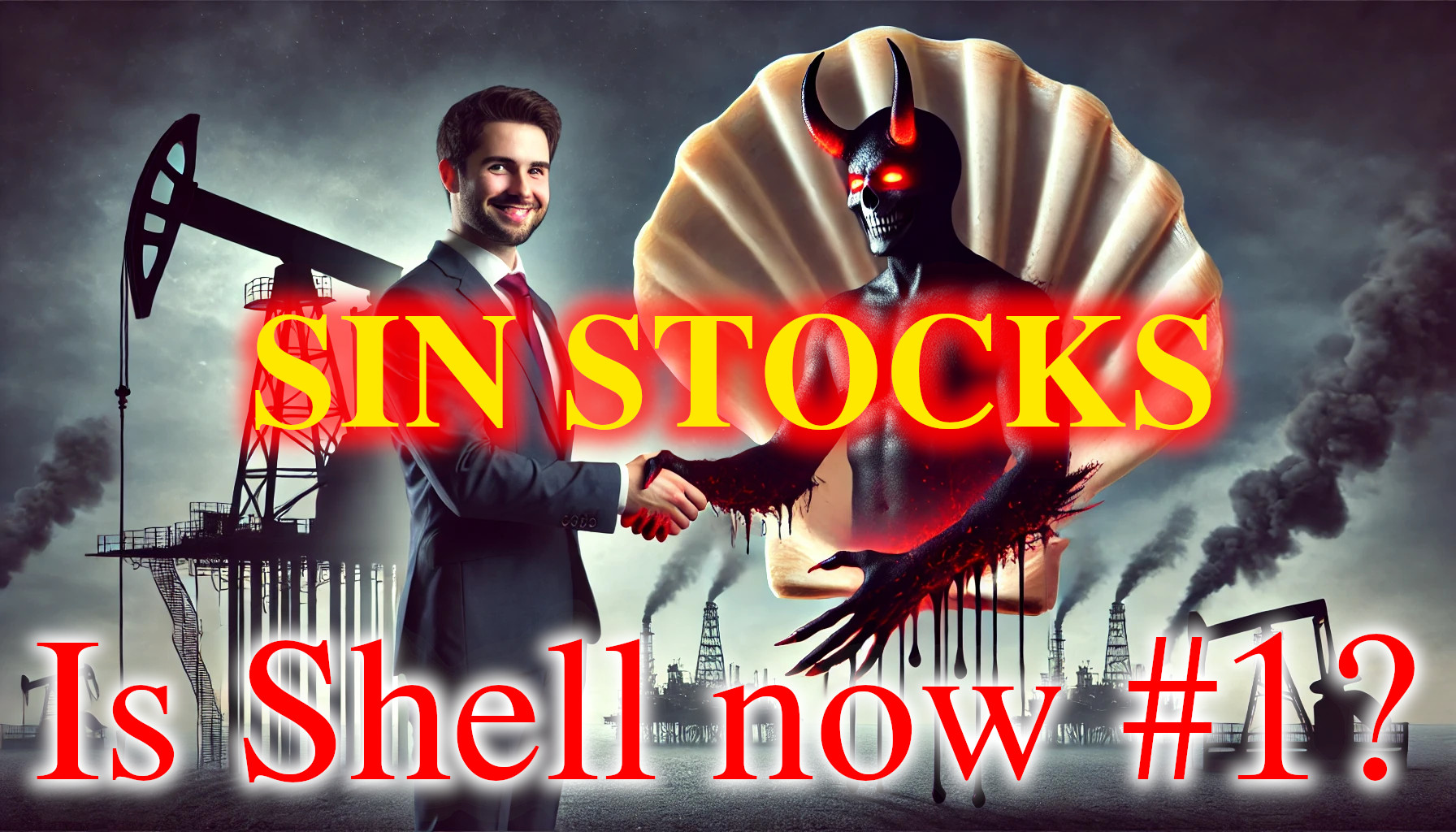
Yes, residents may finally see faster cheques. They deserve them. But if the legal architecture dulls NAM’s accountability, the Groningen Law risks turning a long-overdue reckoning into a convenient write-off. Policy progress should not be a liability laundry for the ultimate sin stock and friends.
Further reading
-
NL Times summary of the bill and Council of State criticism (with the exact quotes above).
-
Reuters on the permanent closure law and companies’ compensation claims.
-
Dutch Safety Board (2015) and the 2023 inquiry documenting decades of ignored risk.
Disclaimer
Warning: satire ahead. The criticisms are pointed, the humour intentional, and the facts stubbornly real. Quotes are reproduced word-for-word from trusted sources. As for authorship—John Donovan and AI both claim credit, but the jury’s still out on who was really in charge.
This website and sisters royaldutchshellgroup.com, shellnazihistory.com, royaldutchshell.website, johndonovan.website, shellnews.net, and shellwikipedia.com, are owned by John Donovan. There is also a Wikipedia segment.

 EBOOK TITLE: “SIR HENRI DETERDING AND THE NAZI HISTORY OF ROYAL DUTCH SHELL” – AVAILABLE ON AMAZON
 EBOOK TITLE: “JOHN DONOVAN, SHELL’S NIGHTMARE: MY EPIC FEUD WITH THE UNSCRUPULOUS OIL GIANT ROYAL DUTCH SHELL” – AVAILABLE ON AMAZON.
 EBOOK TITLE: “TOXIC FACTS ABOUT SHELL REMOVED FROM WIKIPEDIA: HOW SHELL BECAME THE MOST HATED BRAND IN THE WORLD” – AVAILABLE ON AMAZON.





