
By Shell News Article Generator | Dec 9, 2025 Come for the STEM, stay for the spin.
🧠 Lessons in “Climate Solutions” — Courtesy of Oil Money
You might think a museum education program would teach the next generation about the science behind global warming. But the version sponsored by Shell? Kids learn that climate change is this nebulous Monster creeping out of the sky — and also get to invent their own carbon‑sucking machines, like that’ll fix everything.
The learning materials distributed through Queensland Museum supposedly hit the national curriculum goals. But — surprise — they leave out the one inconvenient fact: burning fossil fuels (hello, oil and gas) is the main driver of greenhouse gases and damage to the climate.
Instead, the curriculum touts “carbon capture and storage (CCS)” and other high‑tech fixes. Fossil fuel companies get a clean savings‑slip, while kids are being primed to think pollution ends with capturing CO₂ — as if extraction and burning never happened.
💰 $10 Million for STEM — and a Side of PR
Since 2015, Shell’s gas‑business arm reportedly injected over AUD 10.25 million into museum programmes targeting children as young as 9.
Every worksheet, lesson‑plan or downloadable PDF carries Shell’s logo — a subtle reminder that this “education” came paid for by the very industry kids are being told not to blame. Yet somehow they’re encouraged to imagine fossil‑fuel careers as “part of the solution.”
So not only is Shell funding the science lessons — it’s also shaping the narrative. That’s less “STEM education,” more “brand awareness with a conscience.”
📘 Why It’s Worse Than Propaganda — It’s Petropedagogy
This isn’t about kids misunderstanding confusing climate science. It’s about deliberately omitting the root cause — fossil‑fuel combustion — and redirecting blame to individuals, telling children they can fix it with clever inventions.
One climate‑communications researcher dubbed this “petropedagogy”: the teaching of climate change shaped, sanitised and repackaged by the very polluters who benefit from public inaction.
The result? A generation taught that climate disruption is a technical challenge — not a systemic failure rooted in burning oil, coal and gas. A generation less likely to question the fossil‑fuel status quo.
🔥 What Needs to Happen
-
Museums and educational institutions must end relationships with polluting companies whose interests conflict with scientific truth.
-
All Shell‑funded materials should be withdrawn and replaced with scientifically accurate lessons that clearly state fossil fuels’ role in climate change.
-
Students deserve climate education free from corporate spin — not future‑engineers with a side of oil‑industry PR.
Because real climate solutions don’t come in a branded workbook — they come from honesty, accountability, and a willingness to change.
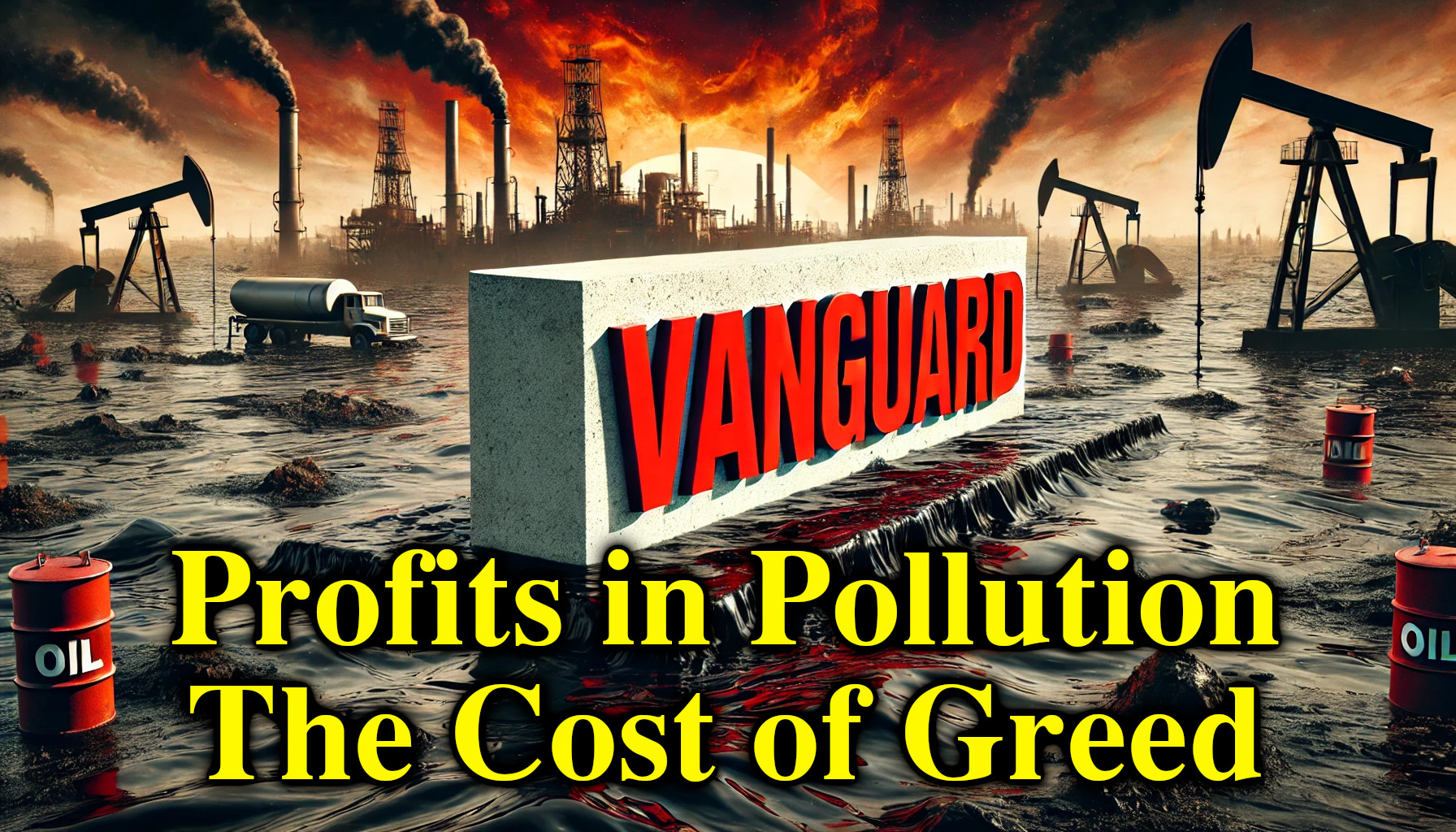
🎨 More Visual Prompts for the Artists Among Us. We chose the first option.
-
A row of children seated at desks, textbooks open — but the pages show only a stylised CO₂ cloud swirling up, while real‑world oil derricks lurk behind the classroom.
-
A museum corridor labelled “Future Makers,” with Shell logos plastered everywhere, and kids walking past exhibits showing “Clean Gas Careers” under glossy glass.
-
A blackboard reading: “Global Warming = Your Problem to Solve (With Our Tech)” — while smokestacks billow behind a school building.
This website and sisters royaldutchshellgroup.com, shellnazihistory.com, royaldutchshell.website, johndonovan.website, shellnews.net, and shellwikipedia.com, are owned by John Donovan. There is also a Wikipedia segment.

 EBOOK TITLE: “SIR HENRI DETERDING AND THE NAZI HISTORY OF ROYAL DUTCH SHELL” – AVAILABLE ON AMAZON
 EBOOK TITLE: “JOHN DONOVAN, SHELL’S NIGHTMARE: MY EPIC FEUD WITH THE UNSCRUPULOUS OIL GIANT ROYAL DUTCH SHELL” – AVAILABLE ON AMAZON.
 EBOOK TITLE: “TOXIC FACTS ABOUT SHELL REMOVED FROM WIKIPEDIA: HOW SHELL BECAME THE MOST HATED BRAND IN THE WORLD” – AVAILABLE ON AMAZON.