What just happened (and why Shell’s grinning)
Nigeria’s oil regulator has approved a $510 million deal for TotalEnergies to sell its entire 12.5% stake in OML 118 (home of the Bonga deep-water field) to Shell and Agip. Total will offload 10% to Shell for $408m and 2.5% to Agip for $102m. Result: Shell’s stake rises to 67.5%, doubling down on offshore Nigeria after dumping its messy onshore assets to Renaissance. The regulator’s exact words:
“SNEPco and NAE have demonstrated both technical and managerial competence to optimally contribute to the upstream operations in OML 118.”
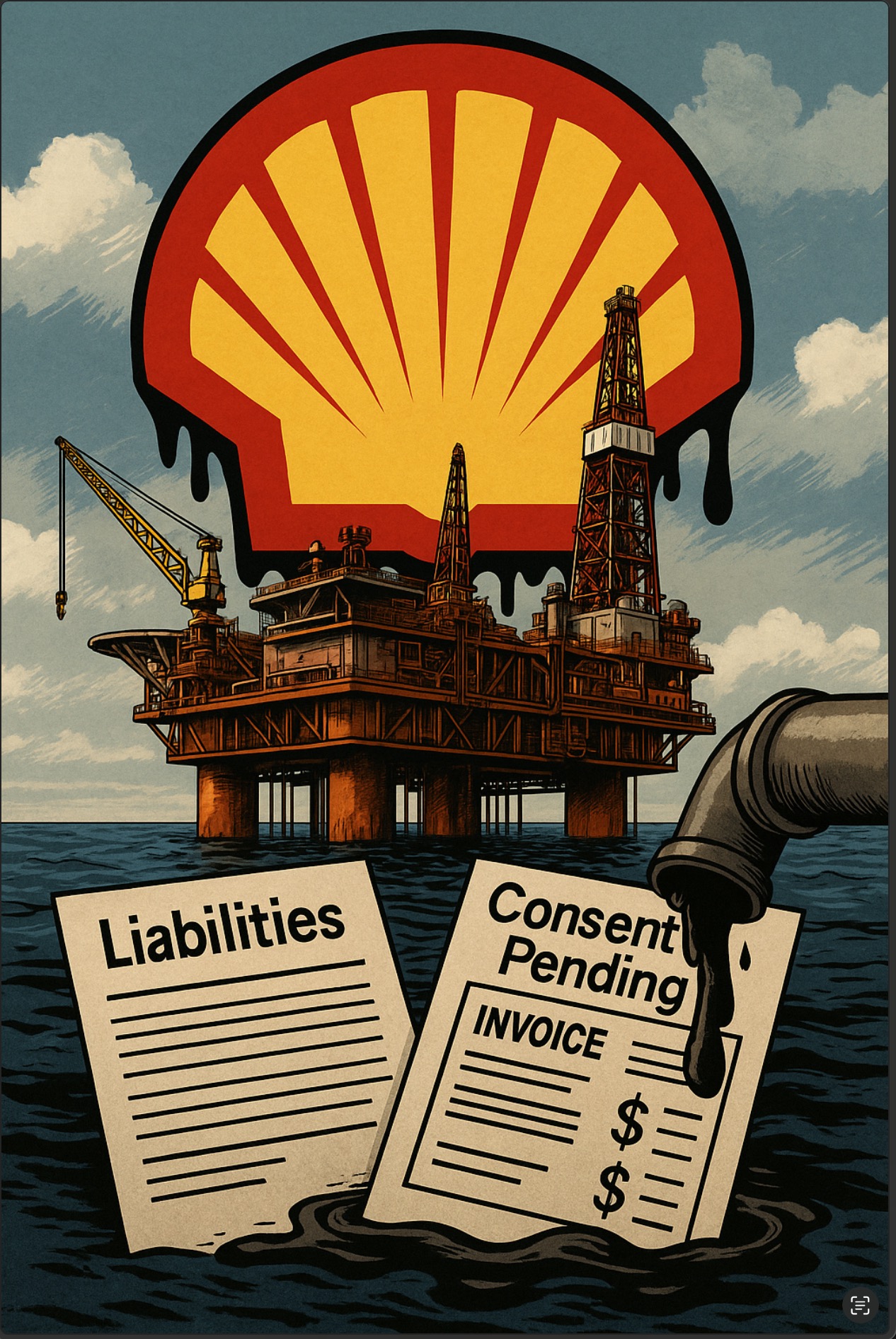
There’s a catch (because of course there is): the approval still needs ministerial consent under the Petroleum Industry Act, and the buyers must assume decommissioning, abandonment and community liabilities, plus pay a combined 7% premium and processing fees.
The bigger picture Shell doesn’t print on the brochure
-
Shell quit Nigeria’s onshore JV SPDC this year—sale completed March 13, 2025—so it can “focus” on deep-water and gas. Translation: divest the spills and sabotage headlines; keep the high-margin offshore barrels.
-
Bonga basics: first oil 2005; >1,000m water depth; nameplate oil capacity ~200,000–225,000 bpd and ~150 mmscfd gas; celebrated its one-billionth barrel in 2023.
-
Tenor and terms: OML 118’s Production Sharing Contract was renewed for 20 years in 2021 (NNPC + partners), unlocking billions in planned investment.
-
Meanwhile, the same regulator just yanked approval for a separate TotalEnergies $860m sale to Chappal Energies over unmet financial commitments—so nothing is truly “done” until the minister signs.
WTF Shell? (Satirical interlude)
Shell pitches this as portfolio “focus.” Investors might call it reputational arbitrage: exit the onshore story that keeps suing you; plough deeper offshore where the lawsuits can’t wade. The regulator’s praise for Shell’s competence is real (“technical and managerial competence”—thank you, NUPRC), but so are the community and decommissioning liabilities Shell now inherits along with that bigger equity check.
And yes, BlackRock and Vanguard—two of Shell’s largest institutional investors—will happily read the part about higher deep-water exposure and “synergies,” but they’ll also notice the fine print on abandonment and community obligations and ask: what’s the long-tail cost of legacy cleanup in 2030-plus? (Shell’s own release says the stake increase supports output growth targets; great—provided the tail risks don’t boomerang.)
Why this deal matters
-
Nigeria needs barrels (and dollars). The Bonga FPSO is a cornerstone of deep-water output with storage for ~2 million barrels and established gas export capacity. Keeping it humming is strategic for Abuja.
-
Shell needs predictability. After years of vandalism, court cases, and reputational carnage onshore, offshore looks like the adult table—until decommissioning bills arrive.
-
Ministerial consent is the last gate. The NUPRC approval is progress, but Sections 95 of the PIA still require the minister’s pen. Don’t pop champagne until it’s inked.
The money math (and the risk math)
-
Price tags: $408m for Shell’s extra 10%; $102m for Agip’s 2.5%.
-
Fees: 5% + 2% premiums and processing fees split between Shell and Agip. Call it transaction friction with a legislative bow.
-
Liabilities: All the decom/community hooks attach to the acquired slice. Today’s “competence” can become tomorrow’s provisions—ask any North Sea accountant.
In Shell’s own words
Shell’s May 29 note practically purred that increasing interest in Bonga “contributes towards growing Shell’s combined Integrated Gas and Upstream total production by 1% per year to 2030,” and reminded everyone that Bonga hit one-billion barrels in 2023. Very on-message; very investor-friendly.
Bottom line
Shell has consolidated power offshore just as it exited the onshore warzone. Clever—until end-of-life costs, community expectations, and carbon math come due. For a company crowned the ultimate sin stock, doubling down on deep-water while tallying future cleanup IOUs is on-brand, if nothing else.
Disclaimer
Warning: satire ahead. The criticisms are pointed, the humour intentional, and the facts stubbornly real. Quotes are reproduced word-for-word from trusted sources. As for authorship—John Donovan and AI both claim credit, but the jury’s still out on who was really in charge.
This website and sisters royaldutchshellgroup.com, shellnazihistory.com, royaldutchshell.website, johndonovan.website, shellnews.net, and shellwikipedia.com, are owned by John Donovan - more information here. There is also a Wikipedia segment, the Shell DPA Files, "Shell and the Spies", the Shell Leaks files, as well as books written and published by John Donovan - Kindle eBooks. Timeline of the Donovan Shell Feud. Toxic History of Royal Dutch Shell Group. Shell and the Donovans: The Full Media Record — 550+ Articles, 110 Books, 40 Years.